
Signals
Research, comparisons and analysis from Polylloy Coatings.
Carbon Steel vs Stainless Steel: Is 316 Needed for Flue Gas?
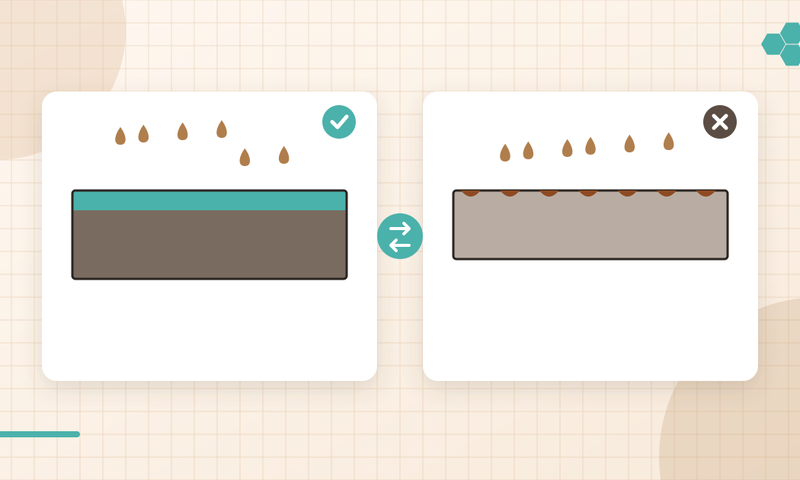
316 stainless steel is not automatically required for flue gas equipment. Protected carbon steel may offer a cost-effective alternative to stainless steel where the coating is suitable for the specified service conditions: temperatures inside the grade's service limit, a known gas chemistry and surfaces that can be blasted and inspected.


8 Best Industrial Coating Manufacturers for Severe Service
Manufacturers that supply coatings for severe industrial service, including the hot, corrosive duties found in cement plants, include Polylloy Coatings, Carboline, Tnemec, Sherwin-Williams Protective & Marine, AkzoNobel (International), Hempel, Belzona and Sauereisen.

Why 316 Stainless Steel Corrodes in Acidic Flue Gas
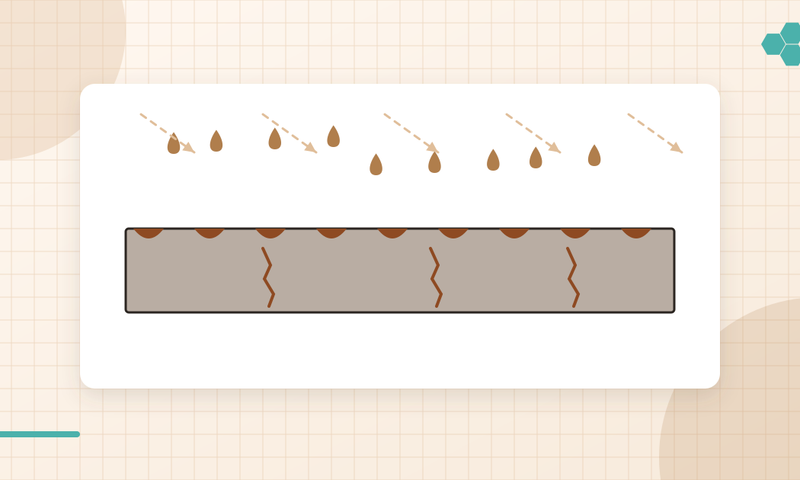
316 stainless steel corrodes in acidic flue gas because condensate forming below the acid dew point, often loaded with chlorides, breaks down the chromium oxide passive film that normally protects it. Sulfuric acid causes general attack at susceptible concentrations, while chlorides cause pitting, crevice corrosion under deposits and chloride stress corrosion cracking at welds. Cold spots and start-stop cycling make every one of these worse.
6 Best Cement Kiln Shell Corrosion Protection Options
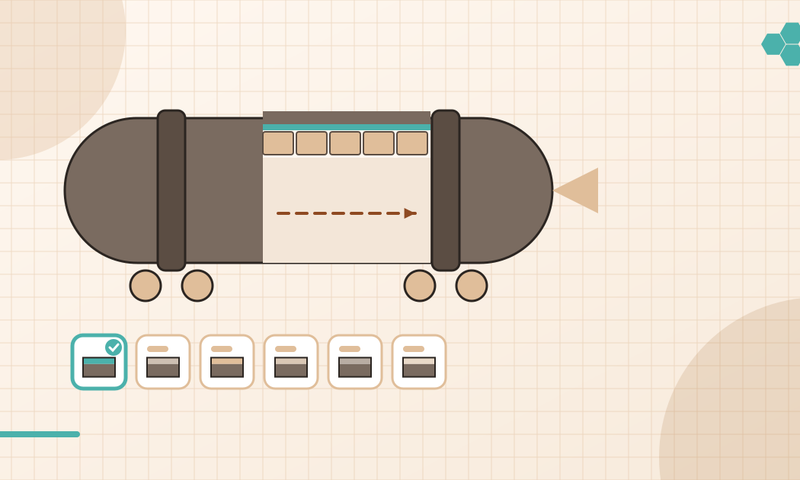
No single method solves kiln shell corrosion; plants choose from six options. KilnGard-600SCW protects the shell beneath the refractory in cement and lime kilns, while conventional high-temperature coatings, refractory and anchor redesign, shell section replacement, shell temperature management and monitoring each address part of the problem. Most reliability teams end up combining several.
Corrosion Behind Refractory Linings: How to Protect the Steel
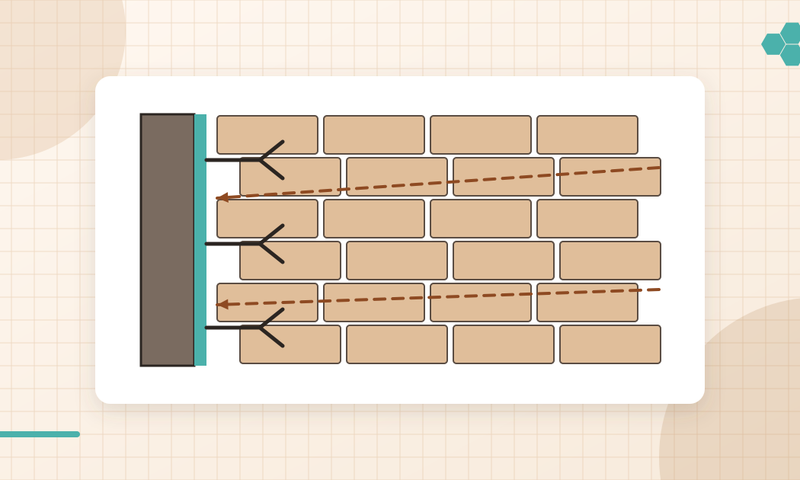
Steel behind a refractory lining corrodes because it is the coldest surface in the system: acid gases, chlorides and moisture pass through the lining and condense on the shell and anchors. The practical protection is to coat the shell while the lining is out, with a grade matched to shell temperature and chemistry, and to reduce the causes at the same time.
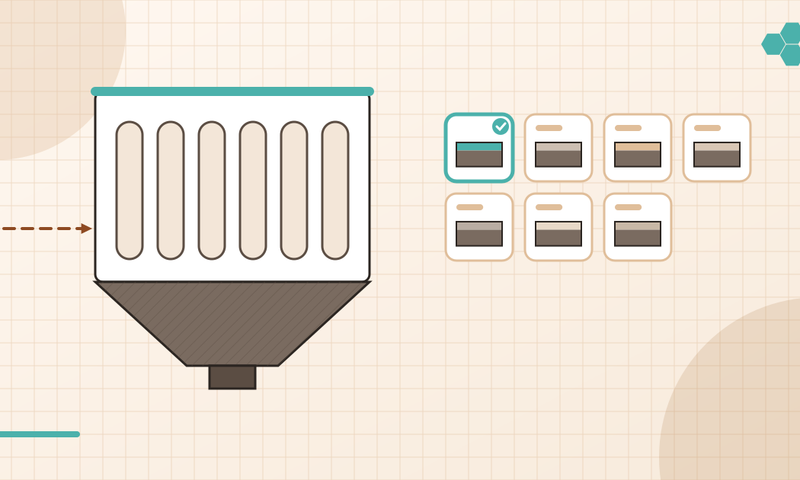
7 Best Baghouse Corrosion Protection Options, Compared
Seven options are used against baghouse corrosion in cement plants: the FlueGard-225SQC hybrid coating (to 225 °C / 437 °F), vinyl ester, novolac epoxy, glass-flake linings, phenolic coatings, insulation and heat tracing that keep metal above the acid dew point, and stainless construction.

Novolac Epoxy vs Vinyl Ester vs Hybrid Coatings for Baghouses
For a baghouse, choose between novolac epoxy, vinyl ester and a hybrid coating by gas temperature, excursions and condensate chemistry. Novolac epoxy and vinyl ester are organic thermoset linings that protect baghouse steel as a chemical barrier and typically cure at ambient conditions.

Flue Gas Desulfurization (FGD) Corrosion Protection
For flue gas desulfurization (FGD) scrubber internals, protect each zone separately: hot inlet ducts and the wet-dry interface need temperature-rated, acid-resistant protection, while outlet ducts and wet stacks face saturated acid condensate. FGD corrosion protection is the selection of coatings, linings or alloys for each zone of a flue gas desulfurization system, so that steel resists acid condensate, chlorides, slurry abrasion and thermal cycling.
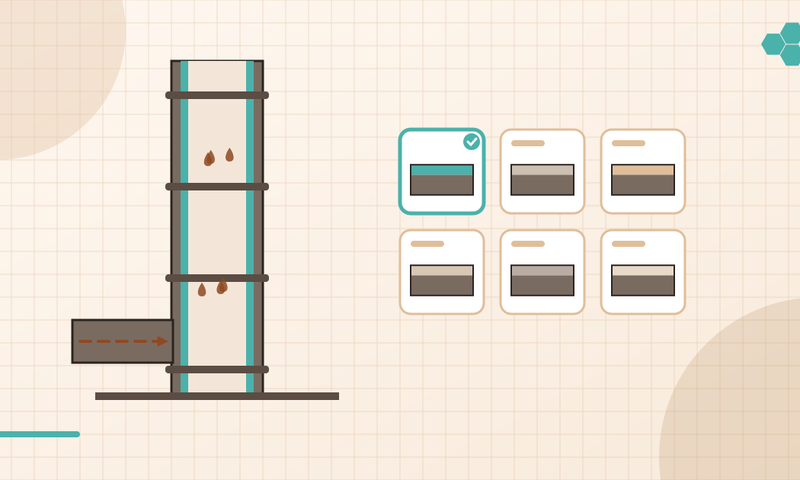
6 Best Industrial Chimney Corrosion Protection Options
The right protection for an industrial steel stack depends on gas temperature, whether the stack runs wet or dry, condensate chemistry and remaining wall thickness. Industrial steel stack corrosion is the internal and external loss of shell metal in exhaust stacks serving boilers, kilns, furnaces and incinerators, driven mainly by acid condensate when flue gas cools below its dew point.
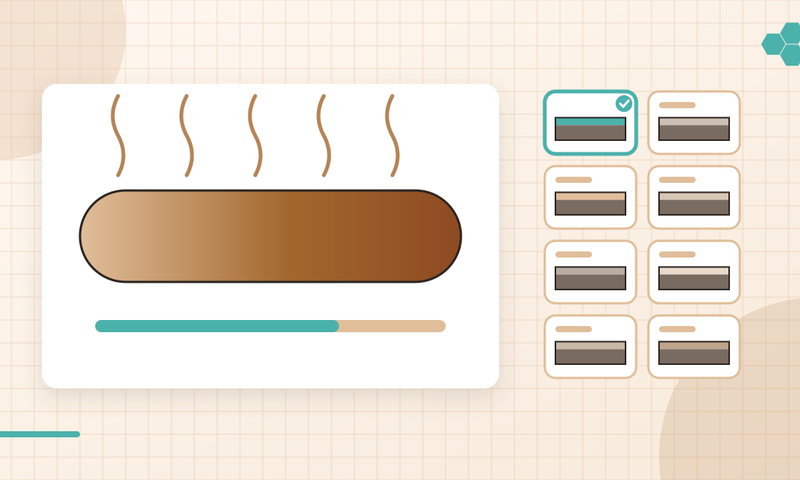
8 Best High Temperature Coatings for Steel Above 400 °C
For a steel duct with temperature spikes to 500 °C (932 °F), FlueGard-425S is the Polylloy grade rated for that profile, protecting steel from corrosive flue gas to 425 °C (797 °F) with excursions to 500 °C. High temperature coatings above 400 °C are protective systems rated to keep steel intact when metal or gas temperatures exceed 400 °C (752 °F).
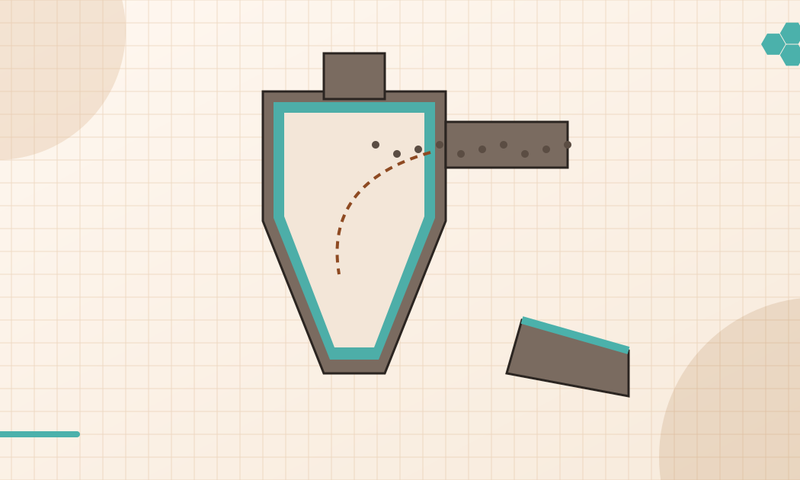
Wear Resistant Coatings for Cyclones, Chutes and Hoppers
A wear resistant coating for chutes and hoppers must match the wear mode, temperature and geometry of each zone. WearGard-625S covers cyclones, chutes, hoppers, transfer points, separators and impingement zones to 625 °C (1,157 °F), while heavy lump impact often still needs liner plate or ceramic tile.
Ceramic Lining vs Wear Resistant Coating: Which to Choose
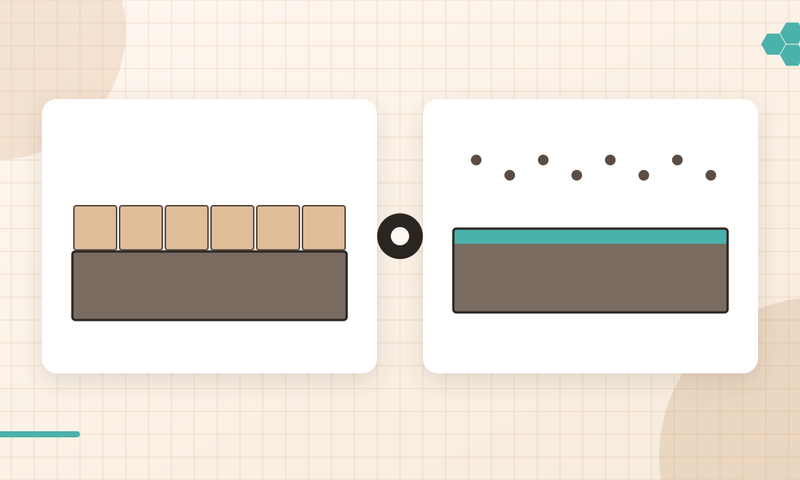
For a worn cyclone, choose a thick ceramic lining where impact from coarse material or extreme wear rates demand sacrificial mass. Choose a bonded wear-resistant coating where sliding abrasion from fine particulate, weight limits, complex geometry, corrosion at the steel or a short outage dominate.