
Signals
Research, comparisons and analysis from Polylloy Coatings.

Chemical Tank Lining: Hybrid Coating vs Conventional Epoxy
Choosing between CorrosionGard-160S and a conventional epoxy tank lining comes down to service severity. A hybrid is worth evaluating for aggressive or variable chemistry, temperatures up to 160 °C (320 °F), cycling or a history of epoxy blistering, while epoxy remains a sound choice for milder chemistry at ambient temperature.

Industrial Coating Contractors: Who Applies, Who Supervises
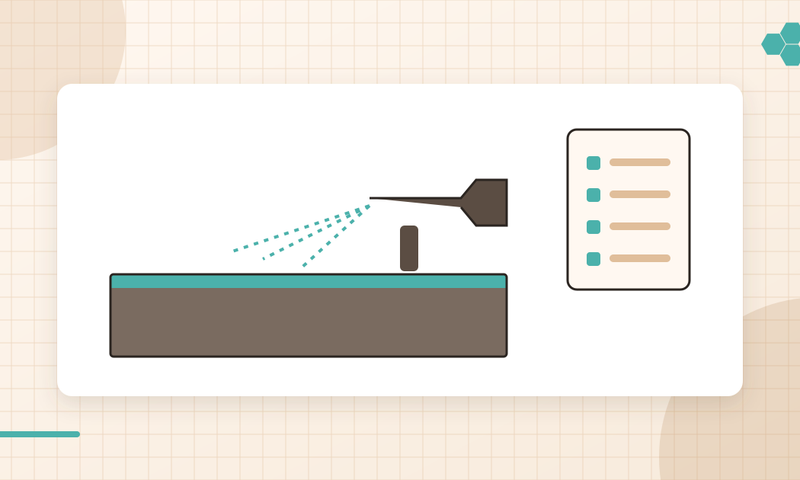
Polylloy does not send its own crews: certified partners apply Polylloy coatings, while Polylloy formulates and supplies the material, writes the specification and supervises the application. An industrial coating contractor, or applicator, is the firm that prepares the steel and applies a protective coating on site; on a Polylloy project, that firm is a certified partner.

Corrosion Protection for Waste-to-Energy Plants
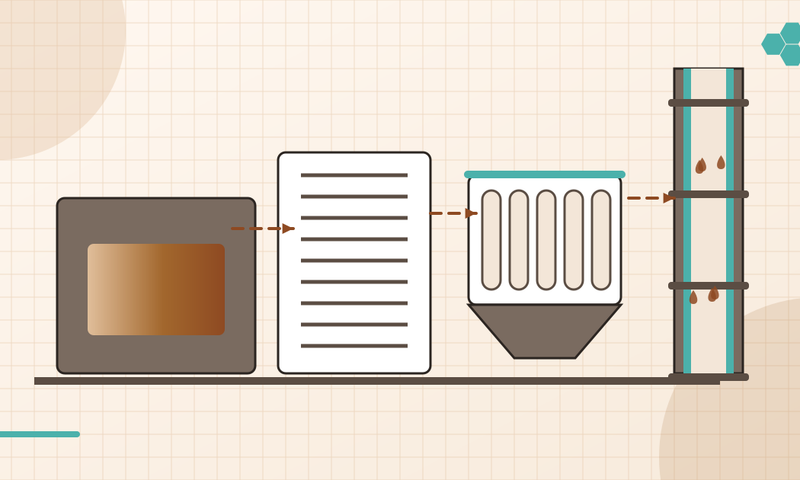
Protect waste-to-energy flue path steel by matching a coating to each zone's temperature, chemistry and wear. That means lower-temperature grades for hoppers and baghouses, stack and duct grades for the cleaned-gas path, higher-temperature grades upstream and wear grades where fly ash and reagents abrade, with steel behind refractory assessed unit by unit.

How to Choose an Industrial Coating Company for Severe Service
Choose an industrial coating company by testing its evidence against your conditions: grade-by-grade service limits, datasheets with named test methods, documented performance in comparable service and a verifiable ISO 9001 quality system. Add a clear model for who applies, who supervises and what inspection records you receive.