
Use cases
How corrosion and abrasion attack FGD systems, waste-to-energy plants and wear zones such as cyclones and chutes, and which protection fits each zone.

Flue Gas Desulfurization (FGD) Corrosion Protection
For flue gas desulfurization (FGD) scrubber internals, protect each zone separately: hot inlet ducts and the wet-dry interface need temperature-rated, acid-resistant protection, while outlet ducts and wet stacks face saturated acid condensate. FGD corrosion protection is the selection of coatings, linings or alloys for each zone of a flue gas desulfurization system, so that steel resists acid condensate, chlorides, slurry abrasion and thermal cycling.

Wear Resistant Coatings for Cyclones, Chutes and Hoppers
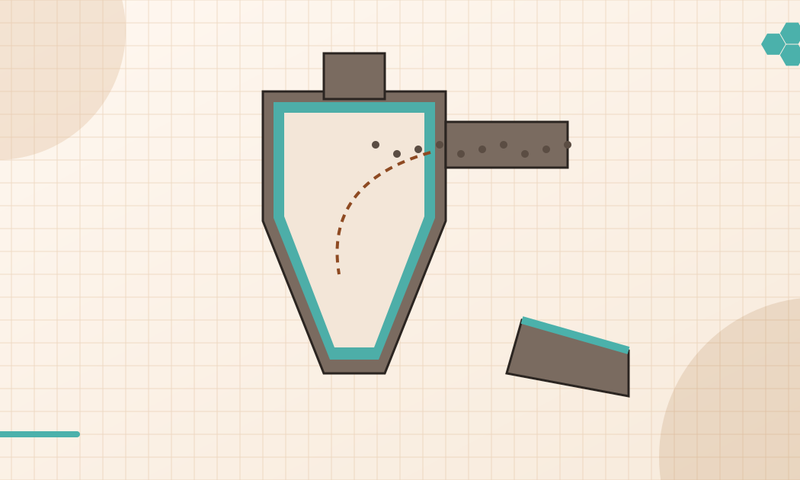
A wear resistant coating for chutes and hoppers must match the wear mode, temperature and geometry of each zone. WearGard-625S covers cyclones, chutes, hoppers, transfer points, separators and impingement zones to 625 °C (1,157 °F), while heavy lump impact often still needs liner plate or ceramic tile.

Corrosion Protection for Waste-to-Energy Plants
Protect waste-to-energy flue path steel by matching a coating to each zone's temperature, chemistry and wear. That means lower-temperature grades for hoppers and baghouses, stack and duct grades for the cleaned-gas path, higher-temperature grades upstream and wear grades where fly ash and reagents abrade, with steel behind refractory assessed unit by unit.