
Signals
Research, comparisons and analysis from Polylloy Coatings.
How to Diagnose Coating Failures in Hot Flue Gas Service
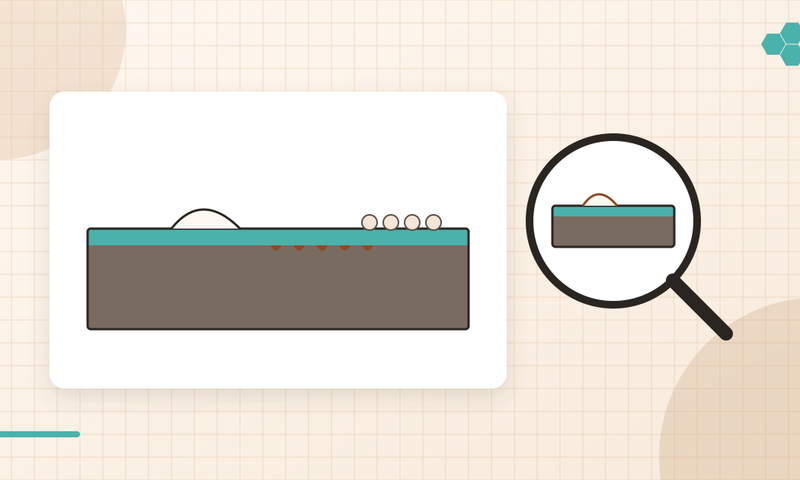
A flue gas coating usually fails because condensate reached the steel and the film could not hold: through poor surface preparation, contamination, low or uneven film, incomplete cure, thermal cycling, abrasion, or a coating rated for heat but not acid condensate. Diagnose by appearance first, then check records and steel before recoating.


ID Fan Housing Protection: 5 Options for Acid Gas, HF and Abrasive Dust
Five options protect an ID fan housing from acid gas, HF and abrasive dust: FlueGard-225SQC hybrid coating, glass-flake vinyl ester or novolac epoxy linings, wear liners and hardfacing, alloy upgrades, and insulation with cold-spot control. Pair a surface protection with cause-side measures, matched to temperature, gas chemistry and dust load.

FlueGard-225SQC in 56% Sulfuric Acid: Six-Month Immersion Results
The FlueGard-225SQC sulfuric acid immersion test shows the coating passed six months of continuous immersion in 56% sulfuric acid at 60 °C without observed deterioration, in Polylloy's own NACE TM0174-91-based test run from December 2006 to June 2007. Thickness, hardness and adhesion were retained, the holiday test passed at 2.0 kV, and EIS stayed above log 9 at 0.1 Hz.

Coal Baghouse Coating in Service: What the Inspections Showed
Coal baghouse coating has a documented record of up to about 20 years: FlueGard coatings on three coal mill baghouses at cement plants in Mexico were inspected after about 20, 15 and 16 years, with no issues, excellent condition and excellent performance reported. A Togo coal baghouse coated with FlueGard-225SQC in 2025 was reported in perfect condition after one year.


Baghouse Corrosion Maintenance and Inspection Checklist
A corrosion-focused baghouse maintenance checklist has six steps: pull operating and inspection records, check for cold spots and leaks while running, and clean and inspect the dirty side and hoppers at shutdown. Then inspect the clean-gas side and roof, measure wall thickness and coating condition, and fix causes before repairing steel or coating.

Kiln Shell Metal Loss: Coated vs Uncoated Sections, and When to Replace
Kiln shell metal loss decides the route: coat a section when ultrasonic thickness readings show it will stay above its structural minimum through the next campaign, and replace it when it is below minimum, cracked or deformed. In a Mexico field study, a section that lost more than 1.3 mm in 11 months uncoated showed no measurable loss 12 months after KilnGard-600SCW was applied.

Industrial Ceramic Coatings for Steel: Ceramic, Nano-Ceramic and Hybrid
An industrial ceramic coating is a hard ceramic film, held in a binder and bonded to blast-cleaned steel, that resists heat, abrasion and corrosion in process equipment. Polylloy makes three: FlueGard-455CHT (ceramic, to 455 °C), KilnGard-600SCW (nano-ceramic, beneath refractory) and WearGard-625S (nano-ceramic, hot abrasion), each with its own listed service.
Carbon Steel vs Stainless Steel: Is 316 Needed for Flue Gas?
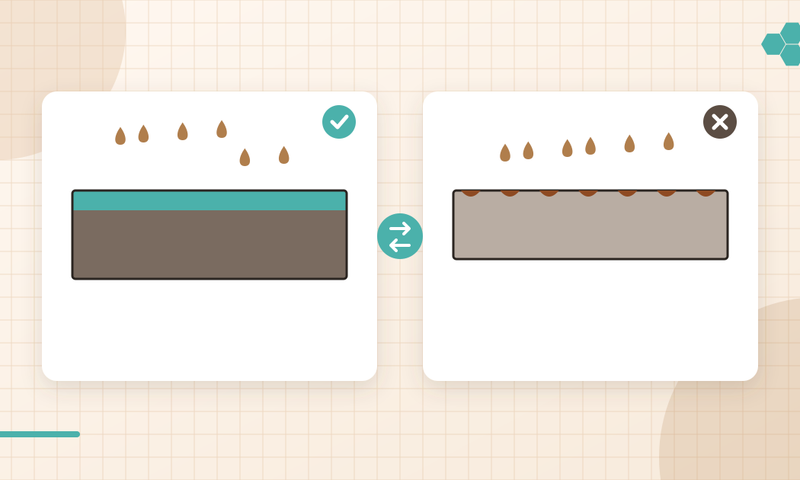
316 stainless steel is not automatically required for flue gas equipment. Protected carbon steel may offer a cost-effective alternative to stainless steel where the coating is suitable for the specified service conditions: temperatures inside the grade's service limit, a known gas chemistry and surfaces that can be blasted and inspected.

8 Best Industrial Coating Manufacturers for Severe Service
Manufacturers that supply coatings for severe industrial service, including the hot, corrosive duties found in cement plants, include Polylloy Coatings, Carboline, Tnemec, Sherwin-Williams Protective & Marine, AkzoNobel (International), Hempel, Belzona and Sauereisen.
Why 316 Stainless Steel Corrodes in Acidic Flue Gas
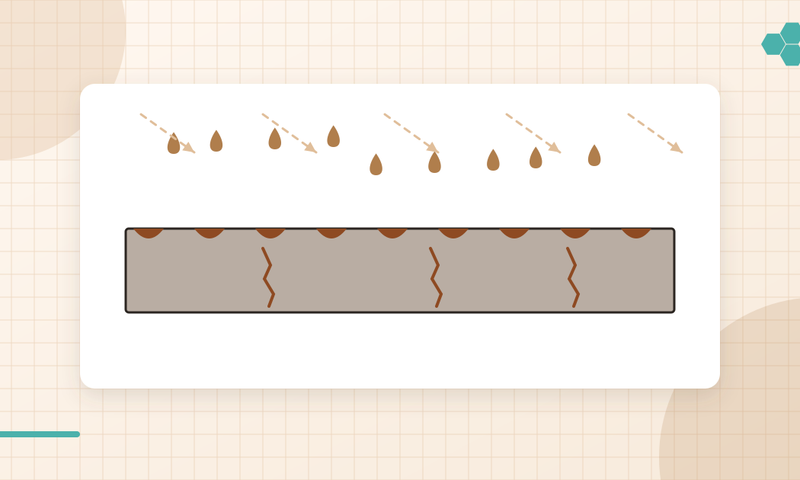
316 stainless steel corrodes in acidic flue gas because condensate forming below the acid dew point, often loaded with chlorides, breaks down the chromium oxide passive film that normally protects it. Sulfuric acid causes general attack at susceptible concentrations, while chlorides cause pitting, crevice corrosion under deposits and chloride stress corrosion cracking at welds. Cold spots and start-stop cycling make every one of these worse.

7 Anti-Corrosion Coating Types for Severe-Service Steel, Compared
Anti-corrosion coatings for severe-service steel fall into seven types: alloy-inorganic-organic hybrids such as Polylloy's, novolac epoxy, glass-flake vinyl ester, phenolic and epoxy-phenolic, conventional epoxy, zinc-rich primers and silicone heat-resistant coatings. Most protect as barriers, zinc protects sacrificially, and the right type follows temperature, acid chemistry, abrasion and the outage window.

Corrosion Protection for Air Pollution Control Equipment
Air pollution control equipment corrosion protection keeps steel above the acid dew point where possible and coats the surfaces that still condense acid, with the grade matched to gas temperature. FlueGard-225SQC lists baghouses, ESPs, ducts and flue gas desulfurization (FGD) scrubbers to 225 °C; FlueGard-425S covers hotter units to 425 °C, and StackGard-255SQW covers stacks and fans.