
Comparisons
Side-by-side comparisons of coatings, linings and alloys for flue gas, baghouse and tank service, with the operating limits that decide each choice.
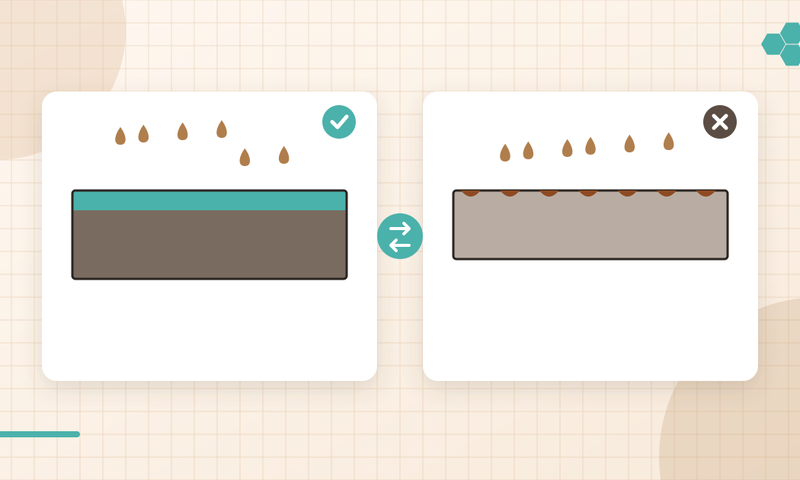
Carbon Steel vs Stainless Steel: Is 316 Needed for Flue Gas?
316 stainless steel is not automatically required for flue gas equipment. Protected carbon steel may offer a cost-effective alternative to stainless steel where the coating is suitable for the specified service conditions: temperatures inside the grade's service limit, a known gas chemistry and surfaces that can be blasted and inspected.


Novolac Epoxy vs Vinyl Ester vs Hybrid Coatings for Baghouses
For a baghouse, choose between novolac epoxy, vinyl ester and a hybrid coating by gas temperature, excursions and condensate chemistry. Novolac epoxy and vinyl ester are organic thermoset linings that protect baghouse steel as a chemical barrier and typically cure at ambient conditions.

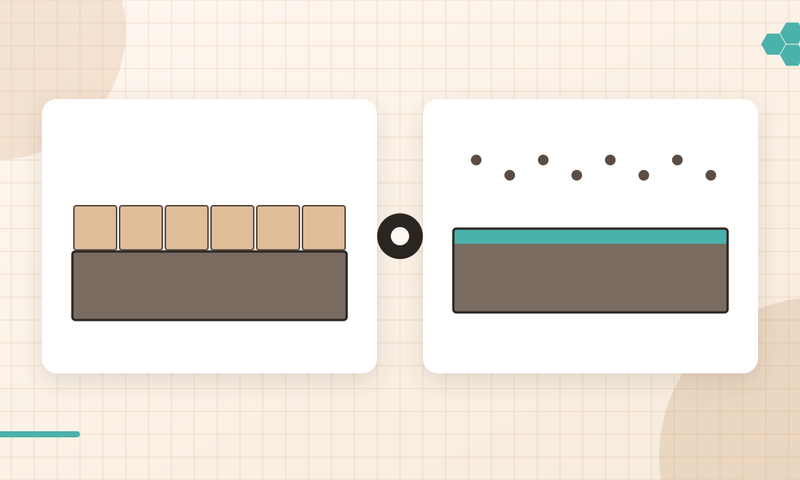
Ceramic Lining vs Wear Resistant Coating: Which to Choose
For a worn cyclone, choose a thick ceramic lining where impact from coarse material or extreme wear rates demand sacrificial mass. Choose a bonded wear-resistant coating where sliding abrasion from fine particulate, weight limits, complex geometry, corrosion at the steel or a short outage dominate.

Chemical Tank Lining: Hybrid Coating vs Conventional Epoxy
Choosing between CorrosionGard-160S and a conventional epoxy tank lining comes down to service severity. A hybrid is worth evaluating for aggressive or variable chemistry, temperatures up to 160 °C (320 °F), cycling or a history of epoxy blistering, while epoxy remains a sound choice for milder chemistry at ambient temperature.