
Signals
Research, comparisons and analysis from Polylloy Coatings.

Corrosion Allowance or Coating: 5 Design Options for Steel in Acid Gas Service
Decide by the corrosion mechanism you expect: a corrosion allowance only buys time against predictable, uniform metal loss, while acid condensate attacks carbon steel at cold spots, seals and deposits. Five design options are compared here: coated carbon steel, allowance plus coating, solid 316L or higher alloy, a stainless liner, and bare steel with allowance.


Thermal Spray vs Polymer-Alloy-Ceramic Coatings: 6 Differences for Flue Gas Steel
A polymer-alloy-ceramic coating is Polylloy Coatings' family of hybrid films bonded to blast-cleaned steel, with ceramic grades such as FlueGard-455CHT rated to 455 °C (850 °F); a thermal spray coating is a sprayed metallic or cermet deposit. They differ in six ways: layer, condensate barrier, temperature basis, abrasion, application access, and cure and repair.

When Is a Severe-Service Coating Worth It? 6 Signs a Conventional Coating Is Enough
Choose a conventional tank lining or high performance coating when the steel stays dry, ambient and away from acid gas, chlorides or aggressive chemicals. A severe-service coating is worth it where steel crosses the acid dew point, runs hot, cycles or has already undercut a conventional system. Six signs below show when conventional is enough.

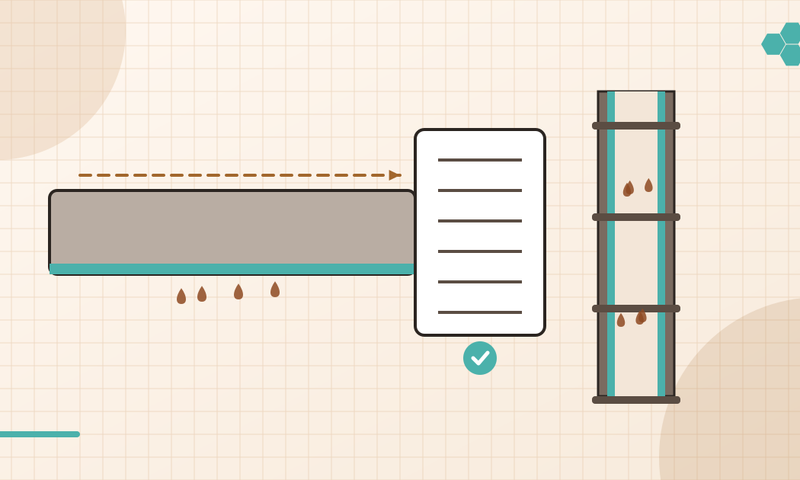
6 Corrosion Protection Options After an Emissions Control Upgrade
After an emissions control upgrade, protect the steel that now runs near or below the acid dew point with a coating matched to its new temperature, such as FlueGard-225SQC to 225 °C, and fix cold spots and air in-leakage alongside it. Organic linings, wet-zone liners, stainless or nickel alloys and corrosion allowance are the other options.
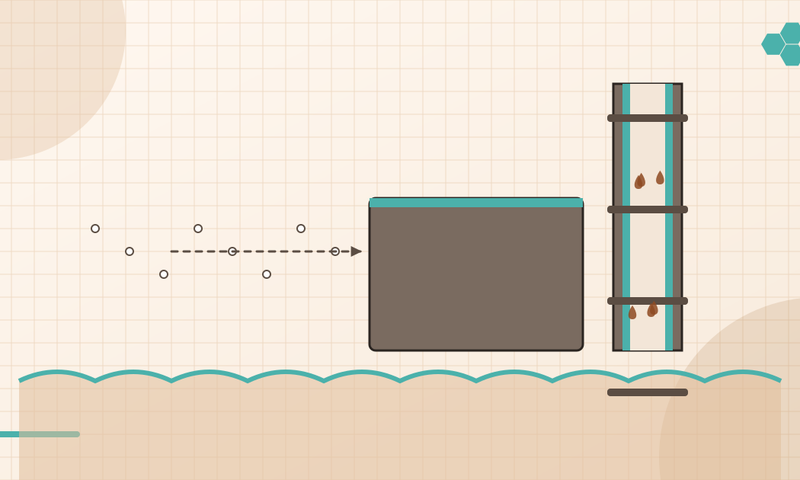
Corrosion Protection for Coastal Industrial Plants
Coastal industrial corrosion protection for salt-laden air starts with salt-tested, blasted steel and a coating whose bulletin covers salt corrosion. CorrosionGard-160S, rated to 160 °C (320 °F), reports 0 mm corrosion after more than 24 months of acid and salt spray weathering; FlueGard-425S covers external hot steel to 425 °C. The evidence is bulletin data.

5 Ways to Protect Existing 316 Stainless Steel Equipment from Acid Corrosion
Equipment already built in 316 stainless steel can be coated: blasted to the same near-white standard as carbon steel, it can take a FlueGard grade matched to its temperature and chemistry. Four other ways protect it too: removing cold spots, controlling deposits and shutdown condensate, restoring welds and crevices, and replacing failed sections.

6 Best Corrosion Protection Options for Cement Plants Burning Alternative Fuels
Six options protect cement plants burning alternative fuels: KilnGard-600SCW beneath kiln refractory with FlueGard grades on ducts and baghouses, refractory upgrades, alloy upgrades, conventional linings, thermal spray and process measures such as sealing false air and sampling deposits. A practical plan combines a coating on exposed steel with measures that cut condensation.

Industrial Coating Project Cost: What Drives It and How to Get a Quote
Industrial coating cost is set by six factor groups: product selection by temperature, chemistry, corrosion and abrasion; equipment condition, surface preparation and access; coated area, thickness, coverage and losses; labor, inspection, curing and mobilization; freight, duties, taxes and delivery; and shutdown timing. Polylloy Coatings quotes each project on those factors.

7 Best Alternatives to 316 Stainless Steel for Corrosive Flue Gas Service
Seven materials can replace 316 stainless steel in corrosive flue gas service: FlueGard-protected carbon steel, duplex stainless, super-austenitic stainless, nickel-chromium-molybdenum alloys, glass-flake vinyl ester linings, fiberglass-reinforced plastic and rubber or fluoropolymer linings. The right one depends on temperature, condensate chemistry, access for surface preparation and the outage window.
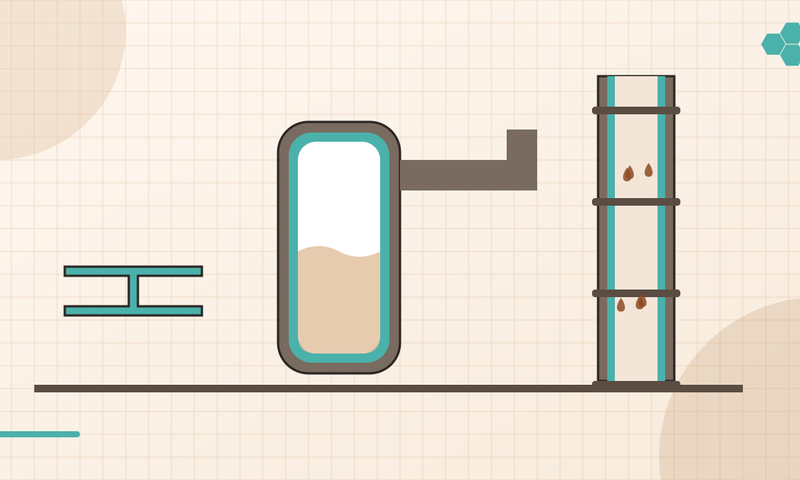
Chemical Plant Corrosion Protection: Structures, Vessels, Ducts and Stacks
Chemical plant corrosion protection matches the coating to each zone. CorrosionGard-160S, an ambient-cure coating rated to 160 °C (320 °F), covers structural steel, process vessels and tanks exposed to acid fume, splash or chemicals; FlueGard-225SQC or StackGard-255SQW covers ducts and stacks carrying acid gas. Where exposure is mild, a conventional coating is enough.

Polylloy Coating Partners by Market: Where to Get Severe-Service Support
Polylloy Coatings supplies severe-service coatings through regional partners who apply them on site; its published map names 15 partners in 22 countries. Key markets: Polylloy direct in Canada, Elite Refractory and Christy Industrial Services in the United States, PT Suprabakti Mandiri in Indonesia, PA Technologies in Europe and ETEC El Raise in Egypt and the United Arab Emirates.

6 Best Coating Suppliers for Severe Chemical Service: Smelters, Battery Recycling and Vessels
Six suppliers cover severe chemical service on steel: Polylloy Coatings with ambient-cure CorrosionGard-160S (to 160 °C, immersion-rated), Carboline Plasite 4301 HT, Hempel Hempaline Defend 740, Chesterton ARC S4+(E), Belzona 4341 and Sauereisen epoxy novolak linings. Match chemical data, temperature and cure to each zone; in mild service a conventional coating is adequate.