
Articles
Practical guides to corrosion behind refractory, stainless steel failures and choosing coating suppliers and contractors for severe industrial service.
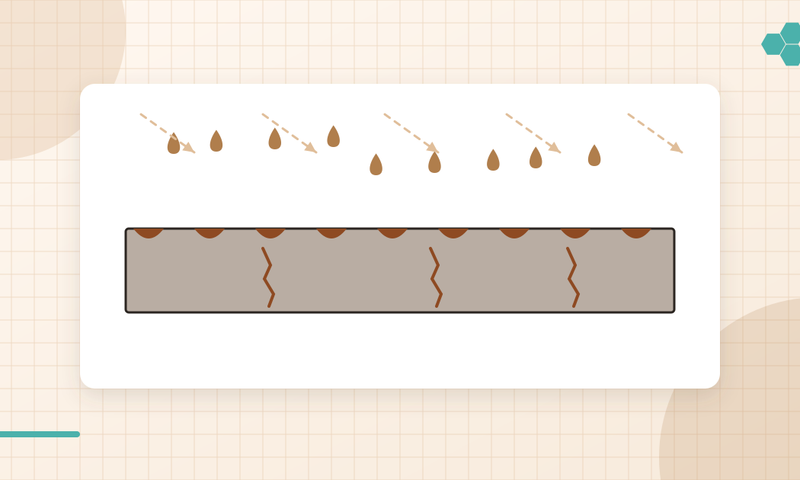
Why 316 Stainless Steel Corrodes in Acidic Flue Gas
316 stainless steel corrodes in acidic flue gas because condensate forming below the acid dew point, often loaded with chlorides, breaks down the chromium oxide passive film that normally protects it. Sulfuric acid causes general attack at susceptible concentrations, while chlorides cause pitting, crevice corrosion under deposits and chloride stress corrosion cracking at welds. Cold spots and start-stop cycling make every one of these worse.

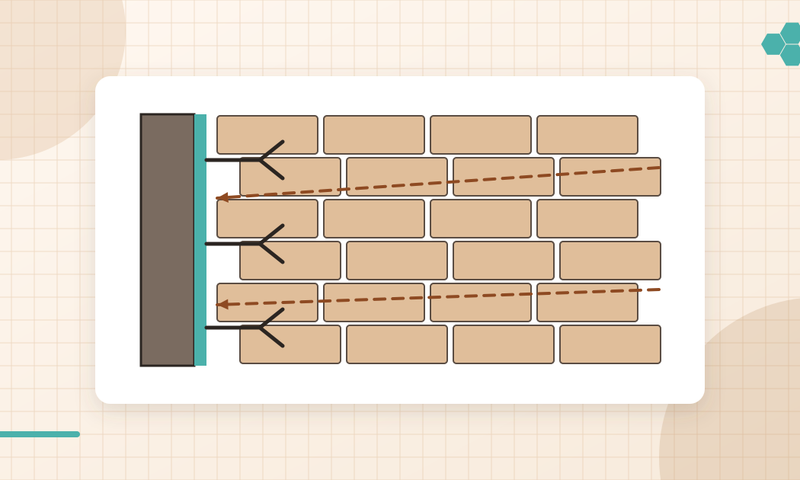
Corrosion Behind Refractory Linings: How to Protect the Steel
Steel behind a refractory lining corrodes because it is the coldest surface in the system: acid gases, chlorides and moisture pass through the lining and condense on the shell and anchors. The practical protection is to coat the shell while the lining is out, with a grade matched to shell temperature and chemistry, and to reduce the causes at the same time.

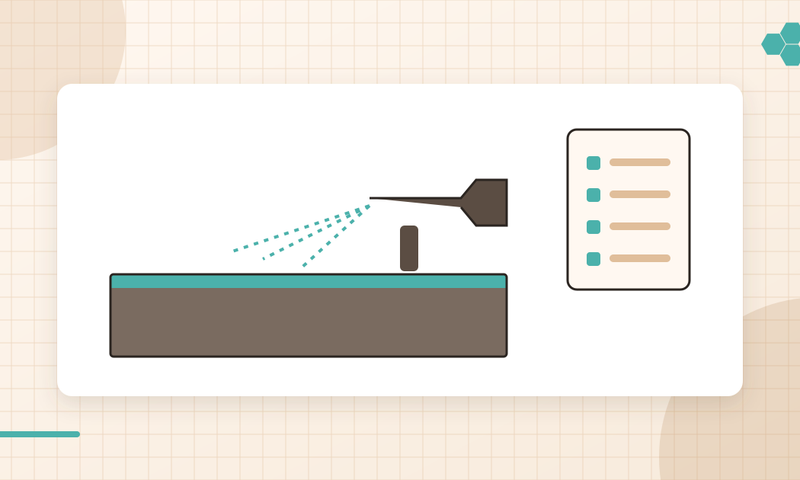
Industrial Coating Contractors: Who Applies, Who Supervises
Polylloy does not send its own crews: certified partners apply Polylloy coatings, while Polylloy formulates and supplies the material, writes the specification and supervises the application. An industrial coating contractor, or applicator, is the firm that prepares the steel and applies a protective coating on site; on a Polylloy project, that firm is a certified partner.

How to Choose an Industrial Coating Company for Severe Service
Choose an industrial coating company by testing its evidence against your conditions: grade-by-grade service limits, datasheets with named test methods, documented performance in comparable service and a verifiable ISO 9001 quality system. Add a clear model for who applies, who supervises and what inspection records you receive.