
Listicles
Ranked options for protecting kiln shells, baghouses, chimneys and hot steel, each set out with where it fits, its limits and how to choose for your conditions.
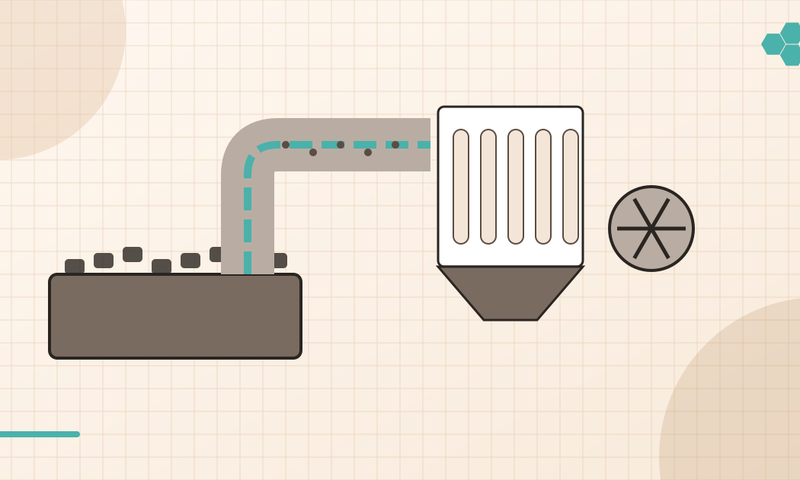
Clinker Cooler Exhaust Ducts and Vent Filters: 6 Abrasion Protection Options
Protect clinker cooler exhaust ducts by matching wear protection to each zone: WearGard-625S, a nano-ceramic coating rated to 625 °C, on hot curved ducts and casings; ceramic tile, AR plate or overlay plate where impact or very high wear dominates. Dry cooler air is abrasive, not acidic, so cool, low-velocity zones may need only conventional wear protection.


7 Best Acid-Resistant Coatings for Steel, by Acid: Sulfuric, Hydrochloric, Hydrofluoric, Phosphoric
To resist sulfuric acid on steel, use a coating with sulfuric acid data at your strength and temperature: FlueGard-225SQC (below 0.5 % weight gain in 36% H2SO4; no observed deterioration in Polylloy's own six-month test in 56% at 60 °C) or CorrosionGard-160S for 10% H2SO4. Novolac epoxy, glass-flake vinyl ester, rubber, fluoropolymer, brick and phenolic options rest on maker tables.


7 Design Rules to Prevent Acid Condensation in Flue Gas Ductwork
Seven design rules prevent acid condensation in flue gas ductwork: design to the minimum metal temperature, insulate continuously including flanges and stiffeners, limit air in-leakage, detail expansion joints, remove dead zones, drain condensate, and specify protection such as FlueGard-225SQC at the design stage. Protection matters because shutdowns still take duct steel through the acid dew point.
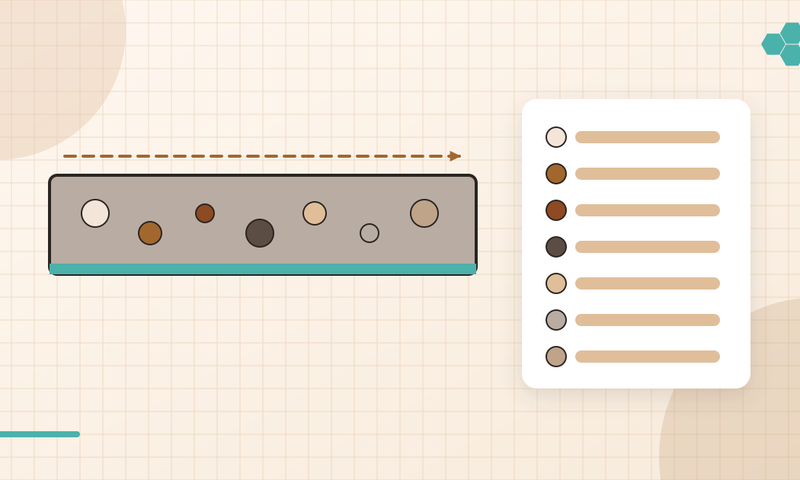
Flue Gas Composition: 7 Components and the Corrosion Each Causes
Stainless steel still corrodes in industrial flue gas because some of its components turn into acid condensate when steel runs below the acid dew point, and chlorides break down the passive film. Flue gas is the exhaust from combustion; seven components drive corrosion: water vapor, sulfur oxides, hydrogen chloride, hydrogen fluoride, nitrogen oxides, oxygen and dust.

10 Coating Standards and Tests Engineers Should Ask For
Severe-service coatings start from SSPC-SP10 / NACE No. 2 near-white blast with a surface profile above 3 mils (75 µm), the requirement on every Polylloy bulletin. Eight more checks follow: condition logs, dry film thickness, holiday testing, ASTM D4541 adhesion, Taber abrasion, hardness, ASTM D471 immersion and long-term immersion with EIS.

Corrosion Allowance or Coating: 5 Design Options for Steel in Acid Gas Service
Decide by the corrosion mechanism you expect: a corrosion allowance only buys time against predictable, uniform metal loss, while acid condensate attacks carbon steel at cold spots, seals and deposits. Five design options are compared here: coated carbon steel, allowance plus coating, solid 316L or higher alloy, a stainless liner, and bare steel with allowance.

Thermal Spray vs Polymer-Alloy-Ceramic Coatings: 6 Differences for Flue Gas Steel
A polymer-alloy-ceramic coating is Polylloy Coatings' family of hybrid films bonded to blast-cleaned steel, with ceramic grades such as FlueGard-455CHT rated to 455 °C (850 °F); a thermal spray coating is a sprayed metallic or cermet deposit. They differ in six ways: layer, condensate barrier, temperature basis, abrasion, application access, and cure and repair.

When Is a Severe-Service Coating Worth It? 6 Signs a Conventional Coating Is Enough
Choose a conventional tank lining or high performance coating when the steel stays dry, ambient and away from acid gas, chlorides or aggressive chemicals. A severe-service coating is worth it where steel crosses the acid dew point, runs hot, cycles or has already undercut a conventional system. Six signs below show when conventional is enough.
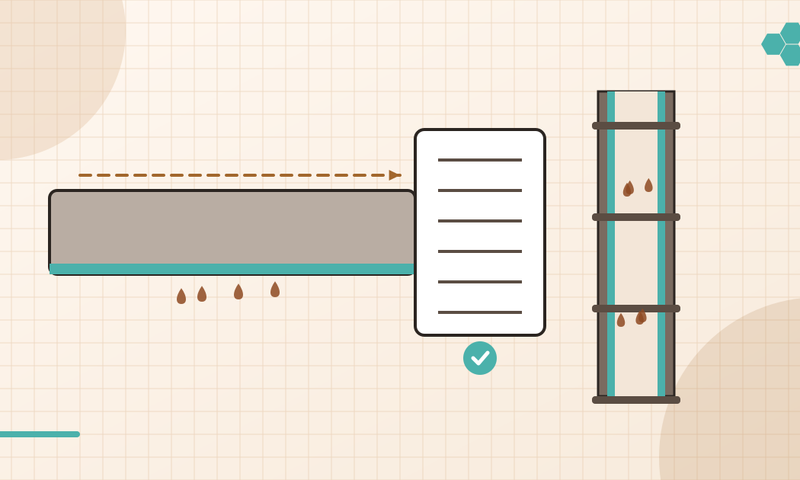
6 Corrosion Protection Options After an Emissions Control Upgrade
After an emissions control upgrade, protect the steel that now runs near or below the acid dew point with a coating matched to its new temperature, such as FlueGard-225SQC to 225 °C, and fix cold spots and air in-leakage alongside it. Organic linings, wet-zone liners, stainless or nickel alloys and corrosion allowance are the other options.

5 Ways to Protect Existing 316 Stainless Steel Equipment from Acid Corrosion
Equipment already built in 316 stainless steel can be coated: blasted to the same near-white standard as carbon steel, it can take a FlueGard grade matched to its temperature and chemistry. Four other ways protect it too: removing cold spots, controlling deposits and shutdown condensate, restoring welds and crevices, and replacing failed sections.

6 Best Corrosion Protection Options for Cement Plants Burning Alternative Fuels
Six options protect cement plants burning alternative fuels: KilnGard-600SCW beneath kiln refractory with FlueGard grades on ducts and baghouses, refractory upgrades, alloy upgrades, conventional linings, thermal spray and process measures such as sealing false air and sampling deposits. A practical plan combines a coating on exposed steel with measures that cut condensation.

7 Best Alternatives to 316 Stainless Steel for Corrosive Flue Gas Service
Seven materials can replace 316 stainless steel in corrosive flue gas service: FlueGard-protected carbon steel, duplex stainless, super-austenitic stainless, nickel-chromium-molybdenum alloys, glass-flake vinyl ester linings, fiberglass-reinforced plastic and rubber or fluoropolymer linings. The right one depends on temperature, condensate chemistry, access for surface preparation and the outage window.