How Alternative Fuels Changed Cement Kiln Corrosion
 Surjit GillLast Updated: Oct 12, 2026
Alternative Fuels and Kiln Corrosion: Key Points
- Alternative fuels such as refuse-derived fuel, biomass, tires and other waste-derived streams bring variable sulfur, chlorine, fluorine and alkali into the kiln.
- Those species form acid gases and salts that penetrate the refractory and attack the kiln shell beneath it, where damage stays hidden until metal loss is significant.
- Polylloy's KilnGard®-600SCW bulletin states that with increased use of alternative fuels, corrosion of the kiln shell under the refractory is more severe.
- Downstream, alternative fuel firing can raise flue gas moisture and the acid dew point, so ducts, baghouses and stacks see more condensation.
- Protection starts with measurement (deposits, condensate, minimum wall temperatures, shutdown pattern), then a coating matched by service limit: KilnGard-600SCW to 600 °C beneath refractory.
- Preserving existing equipment can reduce the need for replacement steel and the emissions associated with its production; coatings have no direct effect on process carbon dioxide (CO2).
Alternative fuels changed cement kiln corrosion by adding variable sulfur, chlorine, fluorine and alkali to the kiln, so more acid gases and salts reach the shell beneath the refractory and condense there. Polylloy's KilnGard-600SCW bulletin states that with increased alternative fuel use, kiln shell corrosion under the refractory is more severe.
Alternative fuel corrosion in cement kilns is the increase in chemical attack on kiln shells and downstream steel that follows co-processing waste-derived and biomass fuels. It affects the kiln shell beneath the refractory and the ducts, baghouses and stacks downstream, and this article explains what changed, what it does to equipment and how to respond.
Alternative Fuels and the Shift in Cement Kiln Corrosion
Alternative fuels entered cement kilns as energy costs rose: plants turned to tires, refuse, wood waste and other waste streams, and Surjit Gill, Polylloy's co-founder, describes kilns increasingly working like incinerators.
What Changed
The fuels now co-processed include refuse-derived fuel, biomass and other waste-derived streams. The change that matters for corrosion is not any single fuel but the variability these streams introduce in sulfur, chlorine, fluorine and alkali inputs.
Polylloy's Own Observation
Polylloy's KilnGard-600SCW bulletin records the effect plainly: with increased use of alternative fuels, the corrosion of the kiln shell under the refractory is more severe.
Chlorine, Sulfur and Alkali Inputs from Alternative Fuels
Chlorine, sulfur and alkali inputs from alternative fuels turn into corrosive species inside the kiln system.
From Fuel to Acid
Chlorine forms hydrogen chloride (HCl). Sulfur leaves as sulfur dioxide (SO2), and part of it oxidizes to sulfur trioxide (SO3), which forms sulfuric acid with moisture. Fluorine forms hydrogen fluoride (HF).
Alkalis combine with chlorine and sulfur as chlorides and sulfates. Those salts build deposits through the system, from the kiln shell to the downstream ducts.
Why Variability is the Problem
Waste-derived streams vary in composition, so deposit chemistry and condensation behavior shift with them. Polylloy's corrosion technical paper makes the same point: fuel changes and alternative fuels alter chloride, sulfur and alkali inputs.
Moisture adds to the effect. Alternative fuel firing and gas conditioning can increase flue gas moisture, which elevates the acid dew point.
How Alternative Fuel Chemistry Reaches the Kiln Shell Beneath the Refractory
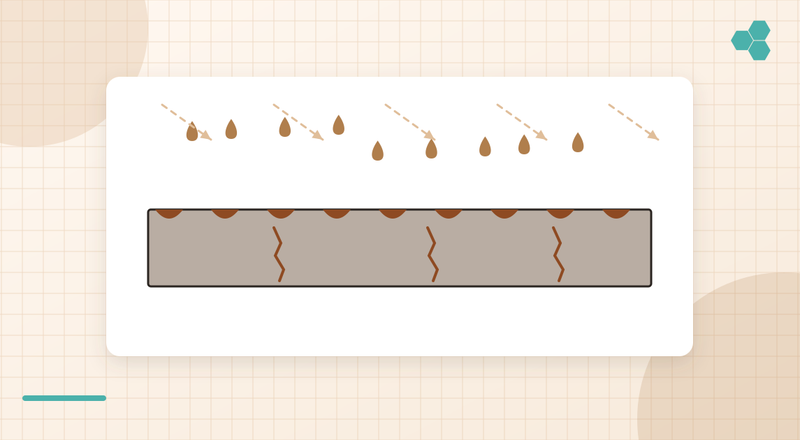
Alternative fuel chemistry reaches the kiln shell because the refractory is not gas-tight. Corrosive species, including alkalis, chlorides, sulfates, moisture, HCl, SO3 and HF, penetrate the lining and accumulate at the steel interface.
Local temperature gradients then drive condensation and corrosion under deposits. The result is shell thinning, hot spots and a weakened refractory-steel interface; the full mechanism is set out in corrosion behind refractory linings.
Transition zones with steep temperature gradients and gas flow disturbance are most affected. Brick rubbing on the shell adds abrasion, and many conventional high-temperature coatings are designed mainly for thermal resistance without enough mechanical durability.
Alternative Fuel Effects on Ducts, Baghouses and Stacks Downstream
Alternative fuel effects do not stop at the kiln outlet.
Beyond the Kiln
Higher moisture and more acid-forming species raise the acid dew point, typically to 120 to 160 °C depending on SO3 concentration and moisture. At the same time, waste heat recovery (WHR) lowers gas temperature, so more steel spends more time condensing.
Kiln inlet and preheater ducts, gas conditioning systems, baghouse housings, clean air plenums and stacks are the zones at risk. The symptoms to look for are listed in acid dew point corrosion warning signs.
Deposits and Outages
Chloride-bearing dust holds moisture and salts against the steel. Each shutdown takes those deposits through a wet phase, so outage frequency belongs in any corrosion assessment.
Kiln Shell Life Under Alternative Fuels and What Thickness Data Shows
Kiln shell life is set by the remaining thickness above structural minimum.
Why Shell Life Shortens
Faster under-refractory attack spends the thickness allowance sooner and brings forward the replacement of shell sections. Because the attack is hidden beneath the lining, the first evidence is often a hot spot or a thickness survey at reline.
What Measured Data Looks Like
In the KilnGard-600SCW Mexico study, a kiln zone between 20 and 26 m, measured at 1 m intervals, lost more than 1.3 mm in 11 months uncoated. After coating, it showed no measurable loss over a further 12 months; results are project-specific.
The study records no fuel mix, so that loss rate should not be attributed to alternative fuels. It shows how fast shell loss can run and what a barrier changed, as detailed in kiln shell thickness loss, coated and uncoated.
Corrosion Protection for Cement Plants Burning Alternative Fuels
Corrosion protection for cement plants burning alternative fuels starts with measurement, not with a product.
Measure First
Assess actual deposits and condensates, minimum wall temperatures, dew point exposure, cleaning practice and shutdown frequency. Polylloy's technical paper notes that these say more than a material name or a bulk gas temperature.
Kiln Shell
KilnGard-600SCW is applied to the shell beneath the refractory at reline, for cement and lime kilns, to 600 °C (1,112 °F). It is designed to keep a continuous barrier on the steel and withstand refractory contact.
Final heat cured activation is completed during kiln start-up using process heat, and the coating is typically renewed with refractory replacement. Grade details are on the KilnGard kiln shell protection page, and the other approaches are compared in kiln shell corrosion protection options.
Downstream and the Honest Limits
Ducts and baghouses are matched to a FlueGard® grade by service limit, and stacks to StackGard®-255SQW or CorrosionGard®-160S. 316L stainless improves localized resistance compared with 304L but is not immune to chloride pitting and crevice corrosion.
Protected carbon steel may offer a cost-effective alternative to stainless steel where the coating is suitable for the specified service conditions. Certified partners apply the coatings; Polylloy formulates, supplies, specifies and supervises. A coating does not replace refractory, surface preparation is critical, and heat-cured grades need start-up heat.
Equipment Life and Replacement Steel in Cement Decarbonization
Equipment protection supports changing processes, including increased alternative fuel use. Preserving existing equipment can reduce the need for replacement steel and the emissions associated with its production.
Polylloy does not claim that coatings directly reduce a plant's process CO2, and it does not put a figure on the replacement-steel effect. The same point is made for incinerator plants in waste-to-energy plant corrosion protection.
Deciding How to Respond to Alternative Fuel Corrosion at Your Plant
Deciding how to respond to alternative fuel corrosion depends on where substitution is heading and when the next reline falls.
- If alternative fuel substitution is rising, plan surveys before the next reline: shell scanner trend, thickness at relines, deposit sampling and downstream metal temperatures.
- Where shell thickness is still above minimum and a reline is planned, protecting the shell beneath the new lining is the low-intrusion option.
- Where the shell is below minimum, replace the section and protect the new steel before relining.
To plan the next step, book a Coating Performance Review and share equipment type, coated area, operating conditions (temperature, gas chemistry, abrasion), fuel mix, location and outage timing.
FAQs
How Do Alternative Fuels Affect Kiln Shell Life?
Alternative fuels can shorten kiln shell life by speeding up corrosion beneath the refractory. Their variable sulfur, chlorine and alkali content produces acid gases and salts that reach the shell and condense there. The steel thins out of sight, so plants often find the loss only at a reline thickness survey or through a hot spot.
What Does Alternative Fuel Do to Cement Plant Equipment Beyond the Kiln?
Downstream, alternative fuel firing can raise flue gas moisture and acid-forming species, which lifts the acid dew point, typically into the 120 to 160 °C range. Ducts, baghouses and stacks running near those temperatures then condense more acid, and chloride-bearing dust holds moisture against the steel, especially through shutdowns.
Does a Coating Reduce a Cement Plant's CO2 Emissions?
No: Polylloy does not claim that a coating reduces a cement plant's process CO2. What protection can do is extend equipment life: preserving existing equipment can reduce the need for replacement steel and the emissions associated with its production. Polylloy limits its decarbonization point for coatings to that effect and does not quantify it.
Can KilnGard-600SCW Be Applied to a Kiln Already Burning Alternative Fuels?
Yes, at a planned reline. With the refractory out, a certified partner blasts the shell and applies KilnGard-600SCW under Polylloy supervision, then the new lining goes in. It is rated to 600 °C for cement and lime kiln shells, and final heat cured activation is completed during kiln start-up using process heat.
Which Alternative Fuels Cause the Most Kiln Corrosion?
It depends on the chemistry of the specific fuel, not its name. Tires, refuse-derived fuel and biomass each bring different sulfur, chlorine and alkali loads, and batches vary. Sample the deposits and condensate at the shell and downstream, and record wall temperatures, before choosing protection; those measurements show which species are doing the damage.
Should We Switch to Stainless Steel Because of Alternative Fuels?
Not automatically. 316L stainless improves localized corrosion resistance compared with 304L, but it is not immune to pitting and crevice corrosion in wet chloride condensate, which alternative fuels make more likely. Protected carbon steel may offer a cost-effective alternative to stainless steel where the coating is suitable for the specified service conditions.

Surjit Gill
Co-founder, Polylloy Coatings
Surjit Gill is co-founder of Polylloy Coatings, which develops innovative hybrid coatings to protect industrial equipment against high-temperature corrosion, chemical attack, and abrasion in severe-service applications worldwide. Trained in chemical engineering and business management, he brings leadership experience spanning startup incubation and business growth. He focuses on commercializing materials innovation, scaling organizations, and advancing go-to-market strategy through global partnerships.
Related Signals