
Articles
Practical guides to corrosion behind refractory, stainless steel failures and choosing coating suppliers and contractors for severe industrial service.
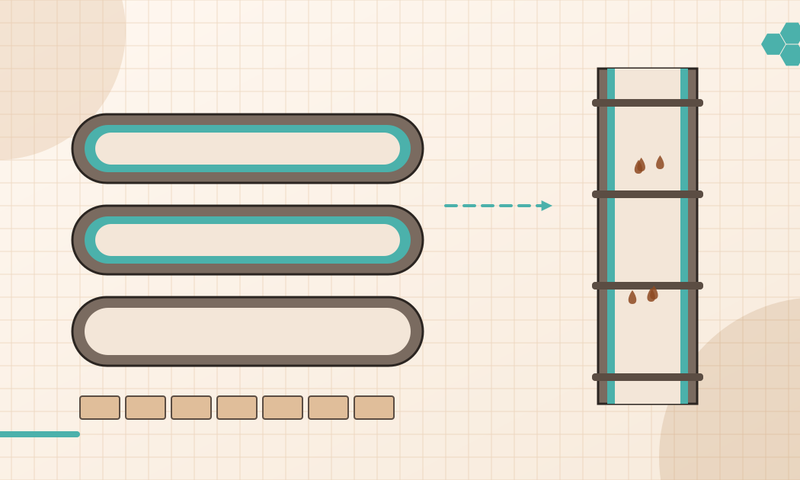
Coating a Refractory-Lined Stack Before the Lining Goes In
Coat a refractory-lined stack on the bare internal steel before the refractory goes in, ideally on prefabricated sections in the shop. Weld the anchors, blast the steel, apply a coating such as KilnGard-600SCW around the anchors, inspect it, then line and assemble. In 2026, KilnGard-600SCW was shop-applied to 18 prefabricated sections of an Exxon Canada stack before refractory installation.

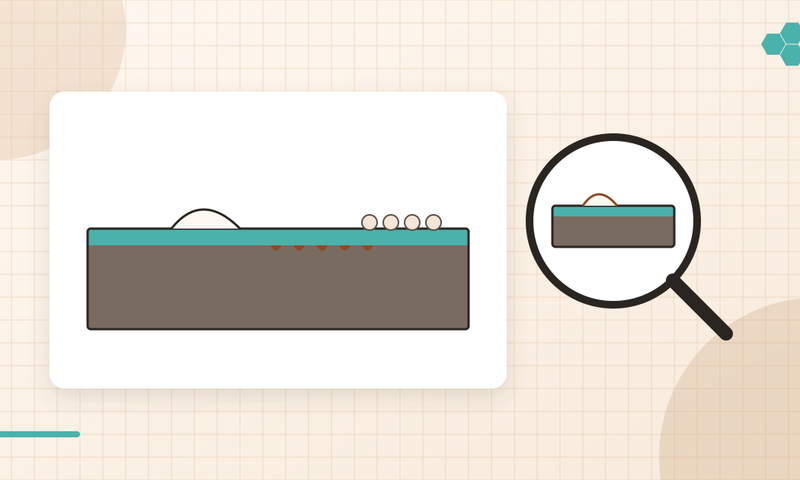
How to Diagnose Coating Failures in Hot Flue Gas Service
A flue gas coating usually fails because condensate reached the steel and the film could not hold: through poor surface preparation, contamination, low or uneven film, incomplete cure, thermal cycling, abrasion, or a coating rated for heat but not acid condensate. Diagnose by appearance first, then check records and steel before recoating.


Baghouse Corrosion Maintenance and Inspection Checklist
A corrosion-focused baghouse maintenance checklist has six steps: pull operating and inspection records, check for cold spots and leaks while running, and clean and inspect the dirty side and hoppers at shutdown. Then inspect the clean-gas side and roof, measure wall thickness and coating condition, and fix causes before repairing steel or coating.
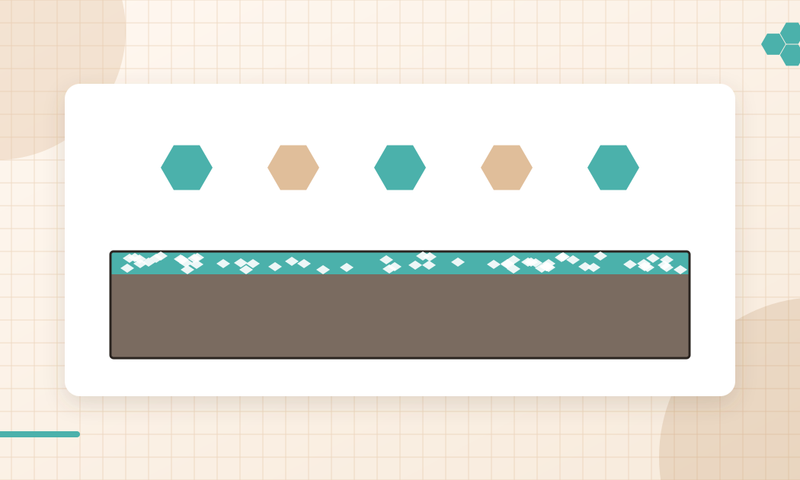
Industrial Ceramic Coatings for Steel: Ceramic, Nano-Ceramic and Hybrid
An industrial ceramic coating is a hard ceramic film, held in a binder and bonded to blast-cleaned steel, that resists heat, abrasion and corrosion in process equipment. Polylloy makes three: FlueGard-455CHT (ceramic, to 455 °C), KilnGard-600SCW (nano-ceramic, beneath refractory) and WearGard-625S (nano-ceramic, hot abrasion), each with its own listed service.
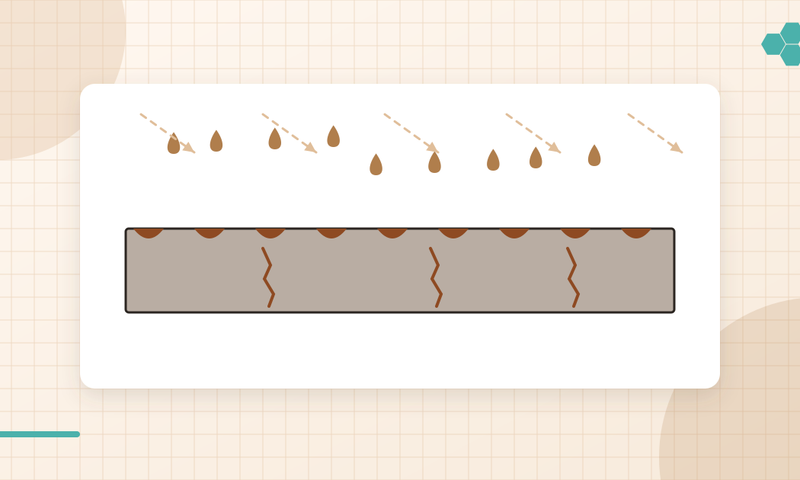
Why 316 Stainless Steel Corrodes in Acidic Flue Gas
316 stainless steel corrodes in acidic flue gas because condensate forming below the acid dew point, often loaded with chlorides, breaks down the chromium oxide passive film that normally protects it. Sulfuric acid causes general attack at susceptible concentrations, while chlorides cause pitting, crevice corrosion under deposits and chloride stress corrosion cracking at welds. Cold spots and start-stop cycling make every one of these worse.
Corrosion Behind Refractory Linings: How to Protect the Steel
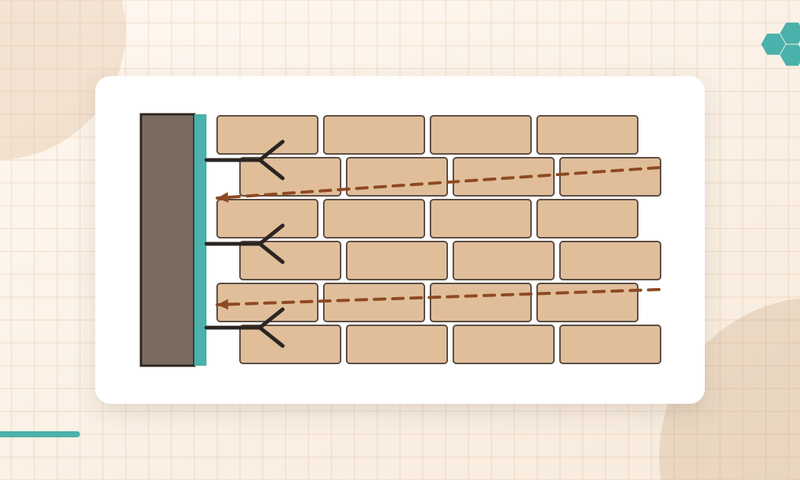
Steel behind a refractory lining corrodes because it is the coldest surface in the system: acid gases, chlorides and moisture pass through the lining and condense on the shell and anchors. The practical protection is to coat the shell while the lining is out, with a grade matched to shell temperature and chemistry, and to reduce the causes at the same time.
Industrial Coating Contractors: Who Applies, Who Supervises
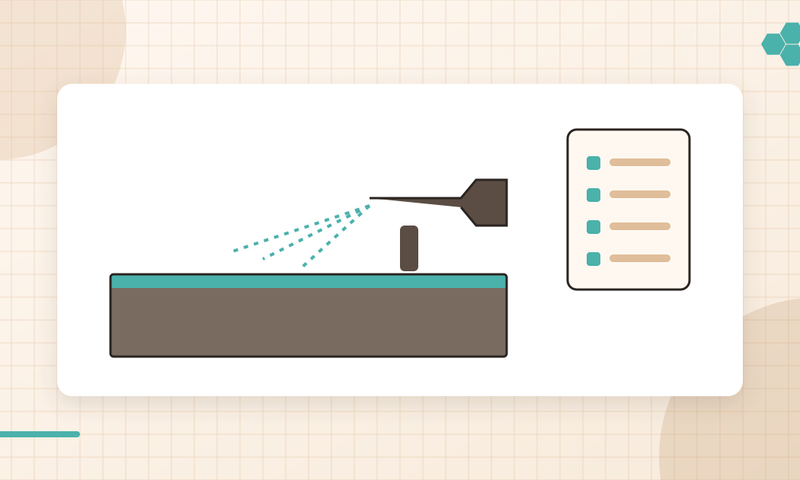
Polylloy does not send its own crews: certified partners apply Polylloy coatings, while Polylloy formulates and supplies the material, writes the specification and supervises the application. An industrial coating contractor, or applicator, is the firm that prepares the steel and applies a protective coating on site; on a Polylloy project, that firm is a certified partner.

How to Choose an Industrial Coating Company for Severe Service
Choose an industrial coating company by testing its evidence against your conditions: grade-by-grade service limits, datasheets with named test methods, documented performance in comparable service and a verifiable ISO 9001 quality system. Add a clear model for who applies, who supervises and what inspection records you receive.