How to Diagnose Coating Failures in Hot Flue Gas Service
 Edita RojasovaLast Updated: Oct 16, 2026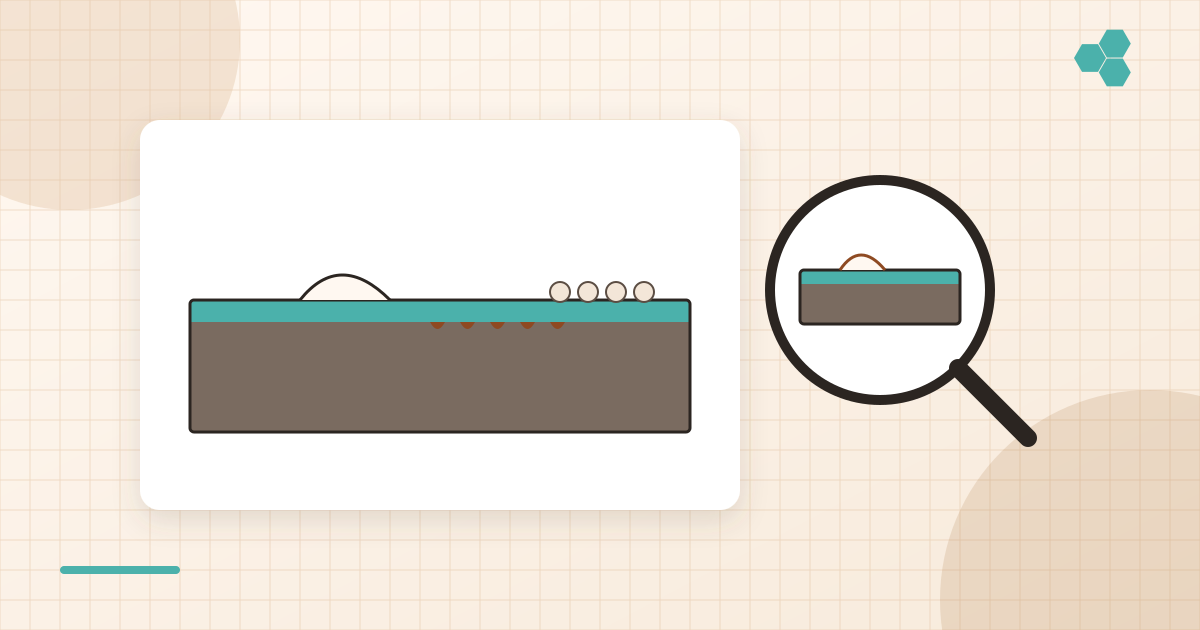
Coating Failure Diagnosis: Key Points
- Diagnose a coating failure in three moves: read its appearance, link it to a likely cause, then check the records and the steel before choosing a repair.
- Undercutting corrosion spreads from welds, edges and damage points when condensate reaches the steel and the film's bond cannot stop it.
- Delamination usually traces to surface preparation, contamination, thermal cycling strain or a film rated for heat but not for acid condensate.
- Blistering in a baghouse or duct points to liquid or salts under the film; check whether the coating was ever rated for that liquid contact.
- Cracking, erosion and heat damage point to rigidity, dust velocity or temperatures beyond the data sheet.
- Repair locally only when the cause is local; a service mismatch needs a different system, and mild service may need only a conventional coating.
A flue gas coating usually fails because condensate reached the steel and the film could not hold: through poor surface preparation, contamination, low or uneven film, incomplete cure, thermal cycling, abrasion, or a coating rated for heat but not acid condensate. Diagnose by appearance first, then check records and steel before recoating.
A coating failure in hot flue gas service is the loss of a protective coating's barrier on steel ducts, baghouses, fans or stacks. It shows as undercutting, delamination, blistering, cracking, erosion or heat damage, and it exposes the steel to acid condensate, deposits and abrasive dust.
How to Diagnose a Coating Failure in Hot Flue Gas Service
Diagnosing a coating failure in hot flue gas service follows a fixed sequence, and a summary table links each appearance to its likely cause.
Appearance, Cause, Check
The method has three moves. Read the appearance of the failure and where it starts, then link that appearance to its likely cause. Finally, check the evidence on the surface and in the records before choosing a repair.
The order matters because recoating with the same system before the cause is known invites the same failure. A failing coating is one of the acid dew point warning signs, and this guide picks up where that list stops: working out which failure type it is.
Diagnosis Table
The table below links the six common failure appearances to a likely cause and a first check.
| Appearance | Where it starts | Likely cause | First check |
|---|---|---|---|
| Rust creeping under film | Welds, edges, damage | Condensate at a defect | Edge adhesion, defect origin |
| Sheets lifting | Large areas | Preparation, contamination, cycling | Back of flake, steel face |
| Blisters | Condensate or wet zones | Salts or liquid under film | Blister contents, rating |
| Cracks | Stiffeners, joints | Rigid film, flexing | Film type, thickness |
| Thinning, bare patches | Inlets, bends | Dust erosion | Velocity, abrasion data |
| Discolored or brittle film | Hot zones | Heat beyond rating | Peak temperature log |
Evidence to Collect Before Naming the Cause of a Coating Failure
Evidence comes from two places: the failed surface itself and the plant's records. Collect both before anyone names a cause.
On the Failed Surface
Photograph the failure and map it by location: welds, edges, stiffeners, doors, cold zones and inlets. A pattern by location often names the cause on its own.
Sample deposits and any condensate. Note whether the failure sits in zones that run below the acid dew point, because that separates condensate-driven failures from heat or abrasion damage.
In the Records
Pull these records for the failed area:
- Operating history: normal temperatures, peaks with their duration and frequency, shutdown count and fuel changes. Polylloy's coating evaluation asks for these items, including any coating that has already failed.
- Application records: surface preparation standard and profile, ambient readings, batch, dry film thickness (DFT) readings, continuity test results where specified, cure and repairs. Polylloy's Company Profile lists these as closeout records.
Polylloy trains its partners to recognize contamination, adverse application conditions and insufficient cure as factors that can compromise coating performance. The same three make a useful first checklist when reading the records.
Undercutting Corrosion Spreading from Welds, Edges and Damage
Undercutting corrosion starts small at a defect and spreads out of sight, so it is often missed until the film lifts.
What Undercutting Corrosion Looks Like and Why It Happens
Rust creeps sideways under the film from a scratch, weld, edge or pinhole. The film above may look intact until it lifts.
At the defect, acid condensate reaches the steel and spreads along the coating-steel interface. Polylloy's May 2026 International Cement Review (ICR) article states that resistance to undercut corrosion is critical to prevent localized damage from spreading beneath the coating and compromising large areas.
Polylloy laboratory and field testing comparing FlueGard® coatings with conventional high-temperature coatings observed undercutting corrosion and delamination in the conventional coatings.
What to Check
Work through these checks on an undercut area:
- Where the creep started: mechanical damage, a missed holiday, thin film at an edge or weld, or a cold spot that condenses more often.
- Adhesion of the surrounding sound film and the profile beneath it.
- Whether welds and edges received extra attention during application or were simply sprayed with the general area.
Polylloy describes its own barrier approach as depending on preparation, cure, thickness and continuity. Each of the four is a line on the check sheet.
Coating Delamination and Disbondment from the Steel
Delamination is diagnosed by looking at two surfaces: the steel left behind and the back of the lifted flake. Then the flue gas conditions narrow the cause.
Reading the Delaminated Flake and the Steel
Three patterns cover most cases:
- Bright, clean steel with profile visible and nothing on the back of the flake: adhesion loss at the interface, pointing to preparation, contamination or profile.
- Rust on the steel and on the back of the flake: corrosion under the film came first, so the root failure is undercutting.
- Coating left on both the steel and the flake: failure within or between coats rather than at the steel, which matters for multi-coat systems.
Causes Specific to Hot Flue Gas
Thermal cycling is one cause. Steel and film expand and contract with each shutdown, and a film with weak adhesion or low flexibility cracks or lifts; the mechanism is covered under hot flue gas duct protection through cycling.
Chemistry mismatch is the second: a film rated for dry heat but not for acid condensate. Lining chemistry choice is set out in novolac, vinyl ester and hybrid coatings compared.
On kiln shells, mechanical contact adds a third cause. The ICR article notes that refractory bricks can rub against the shell, and that many conventional high-temperature coatings are designed for thermal resistance without enough mechanical durability for those conditions.
Coating Blistering in a Baghouse or Duct
Blistering in a baghouse or duct points to something under the film, and its location pattern says what.
What Blistering Points To
Salts or particles sealed under the film swell by osmosis and produce blisters that lead to cracks and delamination, as the CorrosionGard®-160S bulletin explains; the mechanism is covered in more depth under salt contamination and coating blistering.
The flue gas angle is location. Blisters concentrated in hopper valleys, condensing zones or wet sections suggest liquid contact, so check whether the coating was rated for immersion. Among Polylloy's main grades, FlueGard-225SQC and CorrosionGard-160S are rated for immersion; FlueGard-425S, KilnGard®-600SCW, StackGard®-255SQW and WearGard®-625S are not.
Then check the blister location pattern (everywhere, or only in condensing zones), the blister contents, salt test records from surface preparation, and DFT.
Cracking, Erosion and Heat Damage in Flue Gas Coatings
Cracking, erosion and heat damage each leave a distinct pattern, which makes them easier to separate than undercutting and delamination.
Cracking
Cracks at stiffeners, panel joints and thick-film areas point to a rigid film under flexing and thermal cycling. Check the film type, and whether DFT exceeded the data sheet maximum.
Erosion
Thinning and bare patches at inlets, bends, baffles and impingement zones point to dust erosion. Erosion also strips loosened film and corrosion products, exposing fresh steel to condensate.
Check gas velocity, dust load and the coating's Taber abrasion data. For example, FlueGard-455CHT lists 20 mg and FlueGard-425S below 150 mg, both on the CS-17 wheel with a 1 kg load over 1,000 cycles.
Heat Damage
Discolored, brittle or powdering film in hot zones points to temperatures beyond the rating. Compare the peak temperature log, including excursions and their duration, with the data sheet's continuous and spike limits.
A film chosen on an exterior dry-heat rating can also fail inside a duct, because that rating says nothing about acid gas or condensate resistance. The hot flue gas duct article linked above sets out that distinction.
Application and Cure Causes Behind Early Coating Failure
Early failures, within the first campaigns, often trace back to the outage when the coating went on. The records show whether preparation, film build or cure drifted.
Preparation and Application Conditions
Most Polylloy bulletins call for a Society for Protective Coatings (SSPC) SSPC-SP10 / NACE No. 2 near-white blast with a profile above 3 mils (75 µm). They also call for application with the steel at least 5 °C above the dew point and relative humidity (RH) below 90 %.
A failure that tracks shifts, weather or enclosed areas suggests conditions drifted during application. The full sequence is in the coating outage planning steps.
Film thickness is the other half. Low or uneven DFT at edges and welds leaves less barrier, and film above the data sheet maximum is also out of specification.
Missed Defects and Incomplete Cure
Missed defects tend to surface first at welds, edges and stiffeners, so check whether continuity testing was specified and recorded. On FlueGard-225SQC and KilnGard-600SCW, the bulletins note that the film can be inspected for thickness and integrity before final cure, and any defect recoated.
For heat-cured grades, final heat cured activation is completed during start-up using process heat. If start-up heat never reached an area, such as a cold corner or a bypassed section, record it and raise it with the supplier.
Responsibility for a failure depends on the cause and the written project terms. The roles of applicator, supplier and owner are covered under industrial coating contractors and supervision.
Deciding Whether to Repair, Recoat or Change the Coating System
Deciding between repair, recoat and a new system follows from the cause the evidence points to:
- Local cause, such as mechanical damage or a missed holiday, with sound surrounding film: repair locally by re-blasting and recoating to the specification.
- Widespread undercutting or delamination, or a coating outside its temperature or immersion rating: change the system. Polylloy grades are matched by service limit and chemistry; for example, FlueGard-225SQC is rated to 225 °C (437 °F) for baghouses, electrostatic precipitators (ESPs) and ducts, as listed under FlueGard flue gas coatings.
- Conditions beyond any coating, or wall loss below the structural minimum: steel replacement, alloy or refractory comes first.
- Mild service: if the failed area is dry, cool and free of chemicals, a conventional coating may be enough.
Certified partners apply Polylloy coatings, while Polylloy specifies and supervises, and its inspection and maintenance services support condition checks after a repair. To book a Coating Performance Review, request a coating evaluation with equipment type, coated area, operating conditions (temperature, gas chemistry, abrasion), location, outage timing and photos of the failed coating.
FAQs
Why Did Our Flue Gas Coating Fail?
Most flue gas coating failures start where acid condensate reaches the steel and the film cannot hold its bond. Typical causes are poor surface preparation or contamination, low film at edges and welds, incomplete cure, thermal cycling, dust erosion, or a coating rated for heat but not for acid condensate. The failure's appearance and location usually point to which.
How Do You Diagnose Coating Delamination?
Look at the steel and the back of the lifted flake, then check preparation, thickness and cure records. Clean, bright steel with nothing on the flake suggests adhesion loss from preparation or contamination, while rust on both suggests corrosion crept under the film first. Coating left on both faces suggests failure within or between coats.
What Causes Undercutting Corrosion Under a Coating?
Undercutting starts at a defect such as a scratch, pinhole, weld or edge, where acid condensate reaches the steel and spreads sideways along the coating-steel interface. Weak adhesion lets it travel. Polylloy laboratory and field testing comparing FlueGard with conventional high-temperature coatings observed undercutting corrosion and delamination in the conventional coatings.
Why is My Coating Blistering in a Baghouse or Duct?
Blisters usually mean salts, particles or liquid sit under the film. Contamination left on blasted steel swells by osmosis and lifts the coating, and blisters concentrated in hopper valleys or condensing zones suggest liquid contact. Check whether the coating was rated for immersion; among Polylloy's main grades, FlueGard-225SQC and CorrosionGard-160S are, while FlueGard-425S and StackGard-255SQW are not.
Can a Failed Coating Be Repaired Locally?
Yes, when the cause is local, such as mechanical damage or a missed pinhole, and the surrounding film is still well bonded. The area is re-blasted to the specified standard and recoated by a qualified applicator. Widespread undercutting or delamination usually means the system or its application did not suit the service, so local repairs will keep failing.
How Can You Tell If Thermal Cycling Caused a Coating Failure?
Look at where and when it failed. Cracks or lifting concentrated at stiffeners, panel joints, flanges and thick-film areas, with damage that grew after shutdowns rather than steadily, point to thermal cycling. Compare the shutdown and start-up count since application with the failure pattern, then check film flexibility, adhesion and whether thickness exceeded the data sheet maximum.
What Information Helps Diagnose a Coating Failure?
Photos and a map of where the coating failed, deposit samples, operating temperatures with peaks and their duration, shutdown frequency and fuel changes. Add the application records: surface preparation and profile, ambient readings, film thickness, continuity tests, cure and repairs. Polylloy's coating evaluation also asks whether a previous coating has failed.

Edita Rojasova
Co-founder and Chief Technology Officer, Polylloy Coatings
Edita Rojasova is co-founder and Chief Technology Officer of Polylloy Coatings, Inc., which develops hybrid polymer-alloy-ceramic technologies that protect industrial equipment in extreme environments against high-temperature corrosion, chemical attack, and abrasion. A materials scientist educated at the Slovak University of Technology in Bratislava, she holds a master’s degree in chemical engineering and fuel processing and a PhD in organic technology, with a focus on catalysis and the modification of inorganic substrates. She brings expertise in both organic and inorganic chemistry, integrating the two into true hybrid protective systems. Her specializations include electrochemistry, corrosion mechanisms of metallic substrates, and the chemistry of the substrate–coating interface. An inventor with multiple U.S. patents, she leads Polylloy’s R&D, guiding new formulations from testing and characterization through to field implementation.
Related Signals

Industrial Coating Project Cost: What Drives It and How to Get a Quote
 Surjit GillWed, Oct 14, 2026