Baghouse Corrosion Maintenance and Inspection Checklist
 Surjit GillLast Updated: Oct 16, 2026
Baghouse Corrosion Checklist: Key Points
- Corrosion maintenance on a baghouse targets steel that runs below the acid dew point: hoppers, doors, roof, clean-gas plenum, tubesheet edges and air in-leakage points.
- Start with records: gas temperatures and upsets, shutdown count, fuel changes, past thickness readings and any coating that has failed.
- While the unit runs, look for cold patches with infrared thermography, casing dust staining at leaks, damaged insulation and damp hopper dust.
- At a shutdown, clean deposits first, then inspect the dirty side, hoppers, clean-gas side and roof, and take ultrasonic thickness readings at the same points every time.
- No universal interval exists: inspect at every planned outage and after any change in gas temperature, dust load or fuel.
- Fix causes first (seals, insulation, cold spots), repair lost steel, then repair or recoat; certified partners carry out coating repairs under Polylloy supervision.
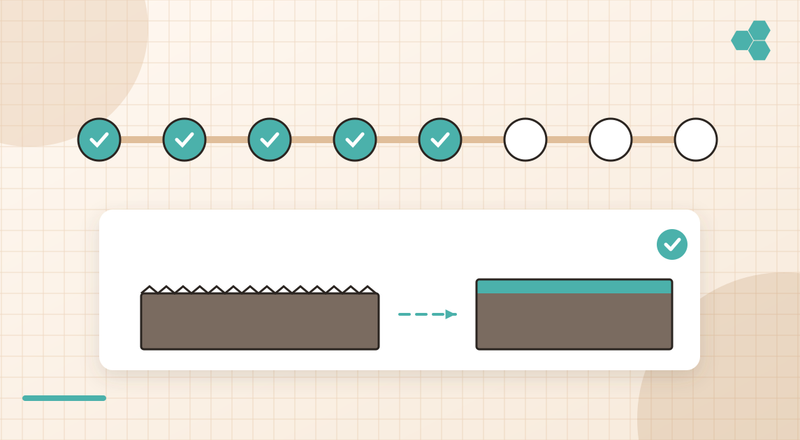
A corrosion-focused baghouse maintenance checklist has six steps: pull operating and inspection records, check for cold spots and leaks while running, and clean and inspect the dirty side and hoppers at shutdown. Then inspect the clean-gas side and roof, measure wall thickness and coating condition, and fix causes before repairing steel or coating.
Corrosion-focused baghouse maintenance is the routine of recording operating conditions, checking for cold spots in service, and inspecting, measuring and repairing a fabric filter's steel housing, hoppers, tubesheet and plenums at shutdowns. Its purpose is to find acid condensate damage and treat it before it perforates the casing.
What a Corrosion-Focused Baghouse Maintenance Checklist Covers
A corrosion-focused checklist covers the steel of a pulse-jet fabric filter, not its filter media. It runs alongside normal baghouse maintenance rather than replacing it.
Scope: Steel, Not Bags
Filter bag, cage and pulse-cleaning maintenance follows the manufacturer's schedule and sits outside this checklist. Corrosion needs its own routine because it attacks the housing wherever steel runs below the acid dew point.
In cement plant flue gas, Polylloy's May 2026 International Cement Review (ICR) article puts that dew point typically at 120 to 160 °C, depending on sulfur trioxide (SO3) and moisture; other fuels and processes need their own figure.
The mechanism and the visible symptoms are covered in the acid dew point warning signs guide, and the ways to protect the housing are compared in baghouse corrosion protection options. The checklist below takes both as given and turns them into an inspection routine.
The routine runs on every outage for a practical reason. Repairs to baghouses often need major shutdowns, scaffolding and replacement of structural components, and the ICR article notes that failures are often found only during outages.
Checklist at a Glance
The six steps, their timing and the record each one produces are summarized below; UT means ultrasonic thickness and DFT means dry film thickness.
| Step | When | Main check | Tool | Record |
|---|---|---|---|---|
| Records | Before outage | Temperatures, shutdowns, fuel | Plant data | Baseline sheet |
| Running checks | In service | Cold patches, leaks | Thermography | Hot/cold map |
| Dirty side and hoppers | Shutdown | Wall loss under deposits | Visual, UT | Zone photos |
| Clean side and roof | Shutdown | Plenum, tubesheet top | Visual, UT | Zone photos |
| Thickness and coating | Shutdown | Wall loss, coating defects | UT, DFT gauge | Grid readings |
| Repair decisions | After inspection | Cause, steel, coating | Findings review | Action list |
Records to Pull Before a Baghouse Corrosion Inspection
Records come first because they tell the inspection crew where to look and what changed since the last outage. Two sets matter: operating data and asset history.
Operating Data
Pull the following operating data for the period since the last inspection:
- Normal gas temperature range, maximum peaks during upsets, and the duration and frequency of those peaks. Polylloy's coating evaluation asks for the same items.
- Shutdown and start-up count and duration. Polylloy's technical paper notes that dry operation does not demonstrate that shutdown exposure is benign, because retained deposits absorb moisture on cool-down and corrode the steel beneath.
- Fuel or raw material changes, including alternative fuels, which alter chloride, sulfur and alkali inputs.
- Filter or heat recovery upgrades that changed gas temperature or dust load.
Asset History
From plant records, collect previous ultrasonic thickness readings with their exact locations, and all repair records. Polylloy's coating evaluation also asks for years in service, drawings and pictures, external thermal insulation, and possible heat sinks such as fins and flanges, which run cooler than the surrounding casing.
If a coating has been applied, gather its records too: product and grade, surface preparation, film thickness, inspection results, and whether any coating has already failed. A failed coating changes the questions the inspection has to answer.
Running Checks on the Baghouse While It is on Line
Running checks find the cold spots and leaks that drive condensation, while the conditions that cause them are still present. They also shorten the shutdown inspection, because the crew arrives knowing where to look.
Cold Spots and Air In-Leakage
Survey doors, hopper walls, roof, rotary valves, flanges and expansion joints with infrared thermography to find cold patches. Mark each one on a drawing so the shutdown crew can go straight to it.
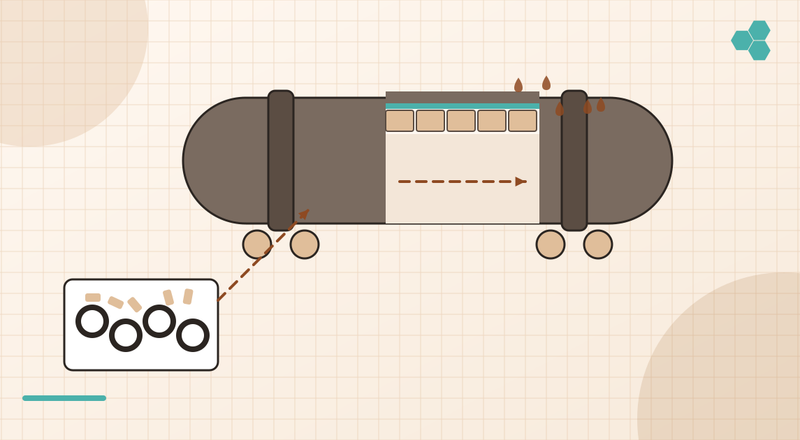
Dust staining on the casing exterior often marks a leak. False air through seal, joint or duct leaks both cools the steel locally and raises oxygen, as the ICR article explains; the warning-signs guide linked above lists the full set of symptoms.
Insulation, Heaters and Hopper Discharge
Walk the cladding. Damaged or wet insulation creates new cold spots and can hide corrosion underneath, so note every gap and soaked section. Confirm that hopper heaters or heat tracing are working.
Check the dust at each hopper discharge. Damp, caked or bridging dust means deposits are holding moisture against the steel, so flag that hopper for close inspection at the shutdown.
Shutdown Inspection of the Baghouse Dirty Side and Hoppers
The dirty side and hoppers carry the heaviest deposits, and the steel under those deposits is where wall loss usually hides. Preparation before entry decides how much the inspection can see.
Before Entry
Entry follows the site's confined space, isolation and gas-testing procedure; this checklist does not prescribe one. Once entry is cleared, remove dust and deposits from hopper valleys, stiffeners and tubesheet edges before inspecting, because wall thinning and pinholes sit under retained deposits.
Dirty-Side Zones to Check
Work through these dirty-side zones in order:
- Hopper walls, valleys and discharge throats.
- Stiffeners and corners where deposits collect.
- Access doors, frames and seals.
- Inlet transitions and baffles, where corrosion combines with dust abrasion.
- Dirty-side tubesheet edges.
- Areas behind insulation gaps marked on the thermography map.
For each zone, record a photo, any visible corrosion, scaling or perforation, the deposit condition (damp or caked), and whether the steel or an existing coating is affected. Consistent zone records make the next outage's comparison possible.
Clean-Gas Side, Roof and Outlet Plenum Inspection
The clean-gas side gets its own step because it often corrodes even when the hoppers look acceptable. It is also the side most easily skipped.
Why the Clean-Gas Side Gets Its Own Step
On the dirty side, cement dust deposits contain alkaline compounds that partly neutralize condensate. High-efficiency filtration leaves the clean side without that buffer, and the ICR article reports corrosion frequently observed in baghouse housings and clean air plenums.
Clean-Side Zones to Check
On the clean side, inspect the top face of the tubesheet, the clean-air plenum walls and roof, outlet transitions and duct, clean-side door frames, and perforated plates where fitted.
Stainless steel plates can be in scope too: on a cement plant's main coal baghouse in Togo, the protected area included stainless steel perforated plates and carbon steel framing, as described in the coal baghouse coating service record.
Inspect the clean side at every outage, not only the hoppers. Thinning on the roof or plenum walls is harder to reach for repair, so finding it early matters.
Measuring Baghouse Wall Loss and Coating Condition
Measurement turns visual findings into data that can be compared from outage to outage. Two sets of readings are needed: steel thickness and, on coated units, coating condition.
Ultrasonic Thickness Survey
Take ultrasonic thickness readings on a fixed grid in each zone, and repeat them at the same points every outage, so loss rates come from comparisons rather than single readings. A Polylloy kiln study in Mexico shows the method: the same section was measured at 1 m intervals.
Record pit depth and localized damage alongside the general readings. Polylloy's technical paper notes that a low average rate can conceal a penetration risk.
Compare the readings against the structural minimum set by the plant's engineer. A coating does not restore lost wall thickness, so plate below that minimum needs repair before any protection is applied.
Coating Condition Checks
On a coated baghouse, check the film both visually and with instruments:
- Visual: blistering, rust creeping from welds, edges or damage points (undercutting corrosion), lifting film, and erosion at inlets.
- Measured: dry film thickness (DFT) readings against the specified range, and holiday (continuity) testing where the specification calls for it.
Polylloy's inspection and maintenance services include condition assessment and thickness and continuity verification. If the coating has failed, identify the failure type before recoating with the same system; the guide on how to diagnose a coating failure sets out the method.
Repair Decisions After a Baghouse Corrosion Inspection
Repair decisions follow a fixed order, so that money spent on steel or coating is not undone by the cause that created the damage.
Order of Repairs
Carry out repairs in this order:
- Fix causes first: door seals, rotary valves, expansion joints, insulation gaps and hopper heaters.
- Repair or replace thinned and perforated plate.
- Repair or recoat the protected areas.
A coating cannot compensate for a leak that keeps feeding cold air onto the steel.
Local Repair, Recoating or a New System
Local damage on a sound coating suits a partner spot repair after local re-blast to the specified standard. Widespread failure, or service outside the existing coating's rating, calls for a fresh look at the protection options; where the question is which lining chemistry to use, see novolac, vinyl ester and hybrid coatings compared.
Polylloy's maintenance support covers condition monitoring, localized repairs and planned recoating recommendations, and certified partners carry out the work under Polylloy supervision. If the scope grows into a full recoat, follow the coating outage planning steps.
How Often to Inspect a Baghouse for Corrosion
How often to inspect is set by triggers rather than a calendar figure.
Triggers Instead of a Fixed Interval
No universal interval applies, and Polylloy publishes none. Inspect at every planned outage, and add an inspection after any upgrade that changes gas temperature or dust load, after a fuel change, or after a run of frequent shutdowns. Units that stop often, burn chloride-rich fuel or have had past perforations warrant closer attention than steady, warm units.
Coated baghouses are still inspected. The record for FlueGard® baghouse coatings at three coal mill baghouses at cement plants in Mexico rests on inspections after about 20, 15 and 16 years, reported as no issues observed, excellent condition and excellent performance.
Deciding What Your Next Baghouse Outage Needs
Deciding what the next outage needs comes down to what the inspection found:
- Cold spots and leaks only: fix the causes and re-inspect at the next outage.
- Wall loss under deposits or on the clean side: plan repair and protection matched to gas temperature, for example FlueGard-225SQC within its 225 °C (437 °F) service limit.
- A failing coating: diagnose the failure before recoating.
To book a Coating Performance Review, request a coating evaluation with baghouse type, coated area, operating conditions (temperature, gas chemistry, abrasion), location and outage timing. Inspection photos and thickness readings help.
FAQs
What Should a Baghouse Corrosion Maintenance Checklist Include?
Six steps: pull operating and inspection records, check for cold spots and leaks while running, clean and inspect the dirty side and hoppers at shutdown, inspect the clean-gas side and roof, measure wall thickness and coating condition, then decide repairs. Filter bag and pulse-cleaning maintenance follows the bag supplier's schedule and sits outside this checklist.
How Do You Inspect a Baghouse for Corrosion?
Find cold spots with infrared thermography while the unit runs, then at shutdown clean deposits from hoppers, stiffeners and tubesheet edges and inspect each zone visually. Take ultrasonic thickness readings at the same grid points every outage, record pit depth, and check any coating for blistering, undercutting and lifting before deciding repairs.
How Often Should a Baghouse Be Inspected for Corrosion?
No universal interval applies, and Polylloy does not publish one. Inspect at every planned outage, including the clean-gas side, and add an inspection after any change that alters gas temperature, dust load or fuel chlorides. Units that stop often or have had perforations before deserve closer attention than steady, warm units.
What Should You Check Inside a Baghouse During a Shutdown?
Check hopper walls, valleys and discharge throats, stiffeners and corners under deposits, doors and seals, inlet baffles and dirty-side tubesheet edges. Then check the clean-gas side: tubesheet top face, plenum walls, roof and outlet transition. Clean deposits first, because thinning and pinholes hide beneath them, and photograph and measure each zone.
Why Does the Clean Side of a Baghouse Corrode?
On the dirty side, cement dust deposits contain alkaline compounds that partly neutralize acid condensate. High-efficiency filtration removes most of that dust before the gas reaches the clean-air plenum, so condensate attacks the steel directly. That is why the tubesheet top face, plenum walls and roof need inspecting at every outage, not only the hoppers.
Does a Coated Baghouse Still Need Corrosion Inspections?
Yes, because inspections confirm the coating is intact and catch mechanical damage, erosion or cold-spot problems early. Check film condition visually, take dry film thickness readings, and run continuity testing where specified. The long FlueGard record on three Mexico coal mill baghouses is itself built on inspections after about 20, 15 and 16 years.
Who Repairs a Coated Baghouse After an Inspection?
Certified Polylloy partners carry out coating repairs, after any lost steel has been repaired and the area re-blasted to the specified standard. Polylloy specifies and supervises the work, and its maintenance support covers condition monitoring, localized repairs and planned recoating recommendations. Leaks and insulation faults should be fixed first, because a coating cannot compensate for them.

Surjit Gill
Co-founder, Polylloy Coatings
Surjit Gill is co-founder of Polylloy Coatings, which develops innovative hybrid coatings to protect industrial equipment against high-temperature corrosion, chemical attack, and abrasion in severe-service applications worldwide. Trained in chemical engineering and business management, he brings leadership experience spanning startup incubation and business growth. He focuses on commercializing materials innovation, scaling organizations, and advancing go-to-market strategy through global partnerships.
Related Signals

Industrial Coating Project Cost: What Drives It and How to Get a Quote
Surjit GillWed, Oct 14, 2026