
Use cases
How corrosion and abrasion attack FGD systems, waste-to-energy plants and wear zones such as cyclones and chutes, and which protection fits each zone.
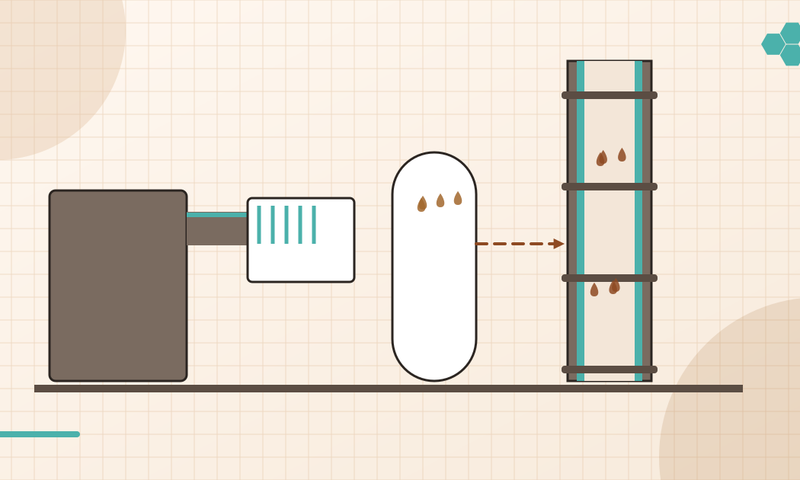
Power Plant Corrosion Protection: Ducts, ESPs, Scrubbers and Stacks
Power plant corrosion protection matches each flue gas zone to a coating by temperature, chemistry and abrasion. Polylloy bulletins list FlueGard-225SQC for power FGD scrubbers, ducts and chimneys (225 °C), StackGard-255SQW for scrubbers, ducts and fans (255 °C), WearGard-625S for coal power fans and ducts, and CorrosionGard-160S for structures.


Refinery and Petrochemical Flue Gas Corrosion Protection
A refinery high temperature coating for flue gas service is chosen by steel temperature, then chemistry and abrasion. Polylloy bulletins list refinery ducts, scrubbers and chimneys for FlueGard-225SQC (225 °C), StackGard-255SQW (255 °C) and FlueGard-425S (425 °C, peaks 500 °C), with CorrosionGard-160S for structures; wetted scrubber zones need project confirmation.
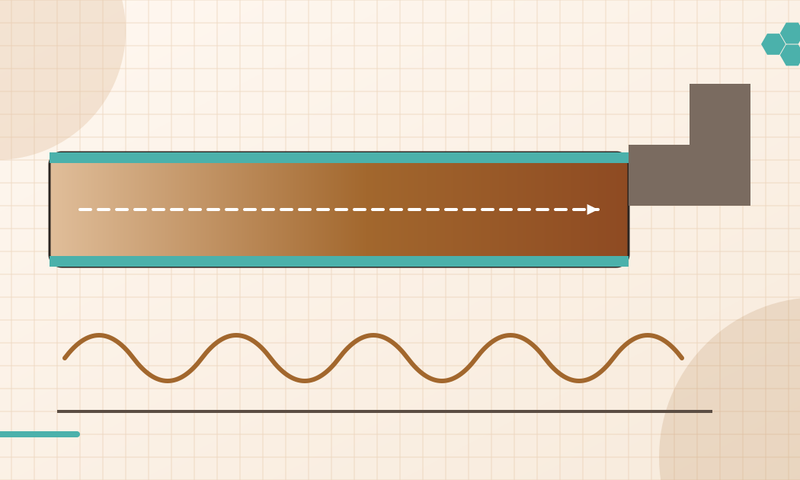
Hot Flue Gas Duct Protection Through Repeated Thermal Cycling
High temperature coatings survive thermal cycling in flue gas ducts when they stay bonded through expansion and contraction and resist the acid condensate that forms at every shutdown. In a Swiss cement plant, FlueGard-455CHT showed no visible widespread delamination after about 17 months and roughly 50 cycles a year; FlueGard-425S covers ducts to 425 °C.

FlueGard-225SQC in 56% Sulfuric Acid: Six-Month Immersion Results
The FlueGard-225SQC sulfuric acid immersion test shows the coating passed six months of continuous immersion in 56% sulfuric acid at 60 °C without observed deterioration, in Polylloy's own NACE TM0174-91-based test run from December 2006 to June 2007. Thickness, hardness and adhesion were retained, the holiday test passed at 2.0 kV, and EIS stayed above log 9 at 0.1 Hz.


Coal Baghouse Coating in Service: What the Inspections Showed
Coal baghouse coating has a documented record of up to about 20 years: FlueGard coatings on three coal mill baghouses at cement plants in Mexico were inspected after about 20, 15 and 16 years, with no issues, excellent condition and excellent performance reported. A Togo coal baghouse coated with FlueGard-225SQC in 2025 was reported in perfect condition after one year.

Kiln Shell Metal Loss: Coated vs Uncoated Sections, and When to Replace
Kiln shell metal loss decides the route: coat a section when ultrasonic thickness readings show it will stay above its structural minimum through the next campaign, and replace it when it is below minimum, cracked or deformed. In a Mexico field study, a section that lost more than 1.3 mm in 11 months uncoated showed no measurable loss 12 months after KilnGard-600SCW was applied.

Corrosion Protection for Air Pollution Control Equipment
Air pollution control equipment corrosion protection keeps steel above the acid dew point where possible and coats the surfaces that still condense acid, with the grade matched to gas temperature. FlueGard-225SQC lists baghouses, ESPs, ducts and flue gas desulfurization (FGD) scrubbers to 225 °C; FlueGard-425S covers hotter units to 425 °C, and StackGard-255SQW covers stacks and fans.

Cement Plant Corrosion Protection: Equipment-by-Equipment Guide
Cement plant corrosion protection matches a coating to each zone's temperature and gas chemistry: KilnGard-600SCW beneath kiln refractory, FlueGard-425S in conditioning towers, FlueGard-455CHT in hot ducts, FlueGard-225SQC in baghouses, WearGard-625S in hot abrasive zones and StackGard-255SQW in stacks. Steel running below the acid dew point, typically 120 to 160 °C, needs attention first.
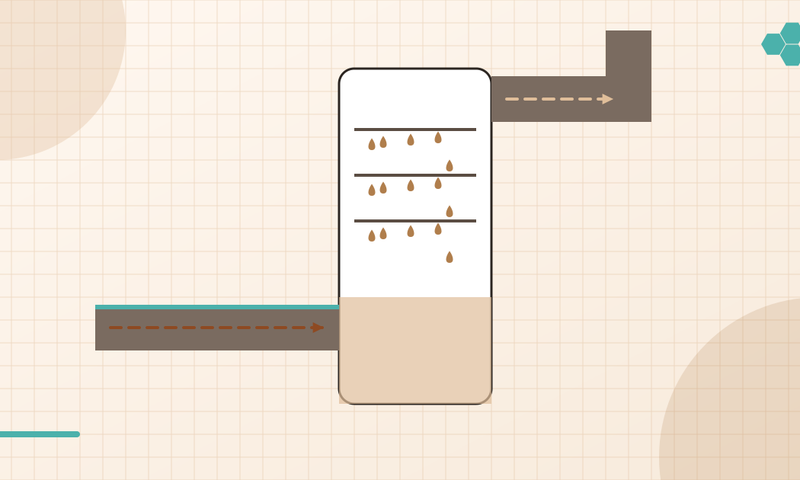
Flue Gas Desulfurization (FGD) Corrosion Protection
For flue gas desulfurization (FGD) scrubber internals, protect each zone separately: hot inlet ducts and the wet-dry interface need temperature-rated, acid-resistant protection, while outlet ducts and wet stacks face saturated acid condensate. FGD corrosion protection is the selection of coatings, linings or alloys for each zone of a flue gas desulfurization system, so that steel resists acid condensate, chlorides, slurry abrasion and thermal cycling.
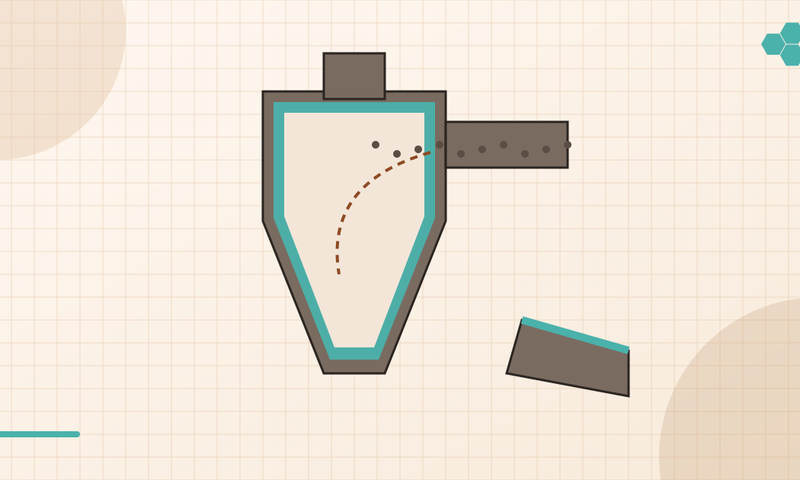
Wear Resistant Coatings for Cyclones, Chutes and Hoppers
A wear resistant coating for chutes and hoppers must match the wear mode, temperature and geometry of each zone. WearGard-625S covers cyclones, chutes, hoppers, transfer points, separators and impingement zones to 625 °C (1,157 °F), while heavy lump impact often still needs liner plate or ceramic tile.

Corrosion Protection for Waste-to-Energy Plants
Protect waste-to-energy flue path steel by matching a coating to each zone's temperature, chemistry and wear. That means lower-temperature grades for hoppers and baghouses, stack and duct grades for the cleaned-gas path, higher-temperature grades upstream and wear grades where fly ash and reagents abrade, with steel behind refractory assessed unit by unit.