
Corrosion Behind Refractory Linings: How to Protect the Steel
 Edita RojasovaLast Updated: Oct 6, 2026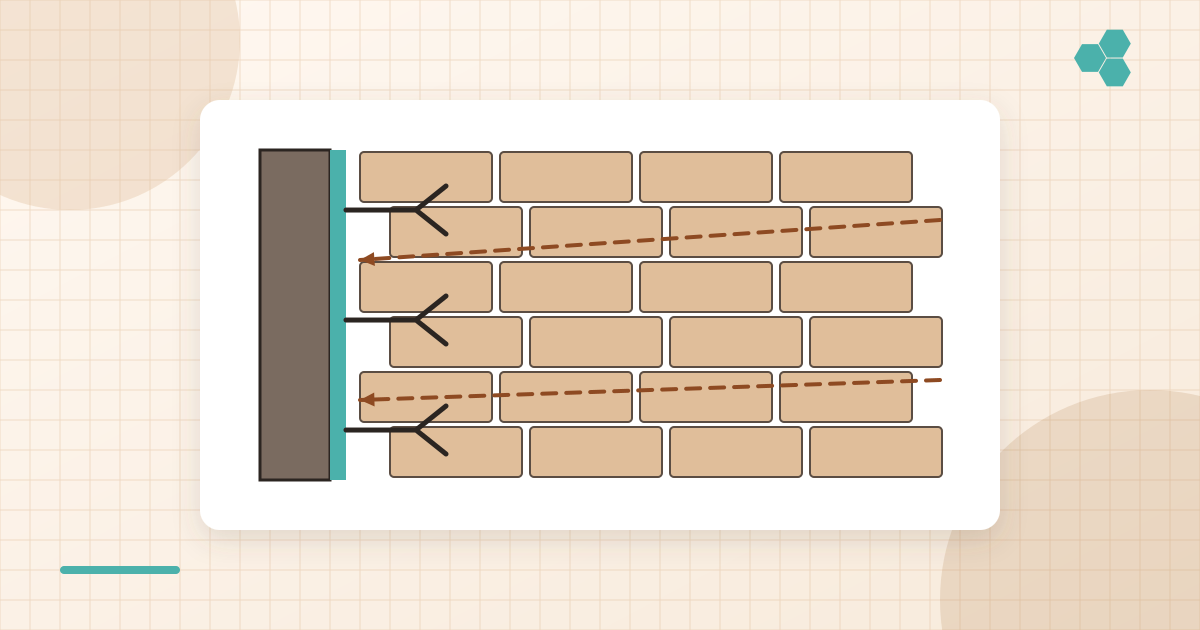
Corrosion Behind Refractory: Key Points
- The steel shell is the coldest surface in a refractory-lined vessel, so acid gases and salts that pass through the lining condense on it and corrode it.
- Gas reaches the shell through porous castable, joints and cracks; water from castable installation and outages adds moisture.
- Anchors are a weak point because they create crevices and heat paths at the weld to the shell.
- Protect the steel when the lining is out: inspect, repair, prepare, coat, then reline; KilnGard®-600SCW (to 600 °C) is the grade for cement and lime kiln shells.
- Final heat cured activation is completed during start-up using process heat, and the coating does not replace the refractory.
- Pair the coating with shell temperature management, refractory design and monitoring.
Steel behind a refractory lining corrodes because it is the coldest surface in the system: acid gases, chlorides and moisture pass through the lining and condense on the shell and anchors. The practical protection is to coat the shell while the lining is out, with a grade matched to shell temperature and chemistry, and to reduce the causes at the same time.
On cement and lime kilns, that grade is KilnGard-600SCW (to 600 °C).
Corrosion behind a refractory lining is attack on the steel shell of a lined furnace, incinerator, stack or duct by acidic condensate, salts and moisture that pass through the lining and collect at the steel. It thins the shell, corrodes anchors and can loosen the lining itself, which is why it deserves a place in every reline plan.
Why Steel Corrodes Behind a Refractory Lining
Steel corrodes behind a refractory lining because the lining does its job. Refractory insulates the shell from process heat, so the shell sits at the cold face, the low end of the temperature gradient, and often runs below the condensation point of acid gases. Sulfur oxides, hydrogen chloride (HCl) and volatile salts that reach it condense as corrosive liquid or settle as deposits.
Gas gets through by several routes: open porosity in castables, brick joints, shrinkage and thermal cracks, and gaps around anchors and penetrations. Water adds to the problem, whether it comes from castable installation, incomplete dry-out or condensation during outages, because it activates salt deposits that would otherwise sit dry.
The damage then turns on the lining. Corrosion products occupy more volume than the steel they replace, so they push the lining away from the shell, open new gas paths and speed up the attack. In lined equipment the steel and the refractory usually fail together, which is why shell corrosion often shows up first as lining trouble.
Where Corrosion Behind Refractory Shows Up Beyond the Kiln
Corrosion behind refractory is most familiar on cement and lime kilns, but the same mechanism appears in any lined steel equipment with a cool outer shell.
Smelter and Metallurgical Furnace Shells
Sulfur-bearing feeds and off-gases can condense on cooler furnace shell zones, especially at roofs, tapholes, off-gas connections and externally cooled areas.
KilnGard-600SCW's bulletin lists smelter ducts, filters and stacks among its under-refractory applications, so coating the furnace shell beneath the lining at reline can be evaluated where shell temperatures sit inside its 600 °C (1,112 °F) service limit, with the fit for each furnace confirmed by Polylloy's technical team.
Furnaces with external shell cooling deserve particular attention, because deliberately cooled steel sits further below the condensation point.
Incinerators and Waste-to-Energy Furnaces
Chloride-rich waste produces HCl and chloride salts, and cold zones, start-stop operation and air in-leakage drive condensation behind the lining. Incinerator shells are among the more aggressive cases; KilnGard-600SCW's bulletin lists industrial furnaces in waste incineration plants, with shell temperature and chemistry still reviewed for each unit.
Refractory-Lined Stacks, Ducts and Process Vessels
Lined stacks and hot ducts carry the same risk wherever the outer shell runs cool, typically from weather exposure or missing insulation. On a refractory-lined Exxon stack project in Canada in 2026, for example, KilnGard-600SCW was applied to 18 prefabricated steel sections beneath the refractory before assembly.
Why Refractory Anchors Are the Weak Point in Castable Linings
Refractory anchors are the weak point because they break the lining's continuity at the steel. Each anchor forms a crevice where it meets the shell, the gap that opens between anchor and castable gives gas a path to the steel, and the anchor's temperature gradient lets condensate form along it.
Corrosion at the anchor root weakens the weld, and failed anchors let castable sections loosen and eventually fall.
At every reline, inspect anchor roots and the shell around them, replace corroded anchors, and confirm anchor material with the refractory designer. The order of anchor welding and shell coating also matters, so agree that sequence with Polylloy's technical team for your lining type before the outage starts.
In castable linings the anchor count is high, so modest loss at each root adds up to a real loss of lining support.
How to Protect the Steel Shell at the Next Reline
Protecting the steel shell at reline follows eight steps, grouped here into four stages. The work only fits the outage if it is planned well before the lining comes out.
Diagnose and Plan
Step 1: map shell temperatures with infrared thermography, survey wall thickness with ultrasonic testing, and plan to sample deposits once the lining is out.
Zones that ran hot in the last campaign show where the lining had already failed. Step 2: build surface preparation and coating into the reline schedule early, and confirm the shell zones fall within the grade's service limit, 600 °C (1,112 °F) for KilnGard-600SCW.
Remove, Inspect, Repair and Prepare
Step 3: remove the lining, inspect shell and anchors, and repair or replace thinned plate and corroded anchors. Step 4: prepare the shell to the surface standard and profile in the coating specification, and remove soluble salt deposits fully, because chlorides left under a coating keep working on the steel.
Surface preparation is the single most important step for coating performance, and it is the step most often squeezed when an outage runs late.
Coat, Inspect and Reline
Step 5: the coating is applied by Polylloy's certified application partners, with Polylloy specifying and supervising, and inspected to the specification before relining, with any defects repaired while the shell is still accessible. Step 6: install the refractory according to the refractory supplier's procedure.
Start Up and Monitor
Step 7: final heat cured activation is completed during start-up using process heat, so the start-up after the reline, run to the refractory supplier's heat-up procedure, is part of the coating job. Step 8: track shell temperatures and thickness over the campaign to confirm performance, and compare the next reline's thickness readings with the pre-coating baseline.
That is how a Mexico kiln study, measured at 1 m intervals, showed more than 1.3 mm of loss in 11 months uncoated and no measurable loss over the next 12 months with KilnGard-600SCW. More detail on the grade is on the KilnGard protection beneath refractory page.
Other Measures That Reduce Corrosion Behind Refractory
Other measures against corrosion behind refractory work on the causes rather than on the steel, and they belong alongside a coating rather than instead of it.
Shell temperature management keeps the shell above condensation temperatures where possible, using weather shields, external insulation on cold zones and an end to overcooling. Any change must be checked against shell temperature limits with the designer, because a hotter shell also means a hotter steel structure.
Refractory design and process chemistry reduce the supply of corrosive species. Denser, lower-permeability castables and better joint practice cut gas flux, and lowering chlorine or sulfur input reduces the source. These measures slow the attack but do not stop condensation on an unprotected shell.
Monitoring completes the set. Thermography between relines locates cold and hot zones, and thickness data at each reline shows whether the combination of coating and cause-side measures is working. Coating condition checks are outlined in Polylloy's inspection and maintenance services.
Limits to Plan Around When Coating Behind Refractory
A coating behind refractory has clear limits that should be written into the plan:
- It does not replace refractory or fix a failed hot face; shell zones running hotter than 600 °C indicate a lining problem.
- It can only be applied with the lining removed and the shell prepared to specification, and poor surface preparation undermines any coating.
- Shell plate thinned below its structural minimum needs replacement first, then coating.
- On heat-cured grades, final activation depends on start-up process heat, so the start-up must follow the reline as planned.
Unusual geometries or service conditions may need a tailored approach, described under custom coating applications.
Deciding Whether to Coat the Shell at Your Next Reline
Coating the shell at reline makes sense when three things line up: inspection shows corrosion behind the lining, shell temperatures sit within the grade's limit, and a reline is already planned. In that case, coating before relining is a low-intrusion form of protection.
If the shell is below its structural minimum, replace the plate first; if no reline is near, use the time to gather thermography and thickness data so the coating scope is ready when the lining comes out. To plan it, request a coating evaluation with vessel type, shell area, operating conditions, location and reline timing.
FAQs
Why Does Steel Corrode Behind a Refractory Lining?
The steel shell is the coldest surface in the system, so acid gases, chlorides and volatile salts that pass through porous castable, joints and cracks condense or deposit on it. Moisture from castable installation and outages activates those deposits. The resulting corrosion thins the shell, attacks anchors and can loosen the lining.
Can You Coat a Furnace Shell Before Relining?
Yes, with the old lining removed: the shell is inspected, repaired, prepared and coated before the new refractory goes in. KilnGard-600SCW, with a 600 °C service limit, is suitable for cement and lime kiln shells, and its bulletin also lists industrial furnaces in waste incineration plants and smelter ducts and stacks; Polylloy's technical team confirms the fit for each duty.
What Protects the Steel Shell of a Refractory-Lined Incinerator?
Usually a combination of measures: a coating on the shell beneath the lining, such as KilnGard-600SCW, whose bulletin lists industrial furnaces in waste incineration plants, plus measures that reduce condensation, like weather shields or insulation on cold zones, and a lining designed to limit gas infiltration. Incinerator chlorides make condensation behind the lining especially aggressive, so cold zones deserve attention first.
Do Refractory Anchors Need Corrosion Protection?
Anchors are a common failure point because they create crevices at the shell and conduct heat, so condensate collects at their roots. Inspect and replace corroded anchors at each reline and agree anchor material with the refractory designer. Coordinate the anchor welding and coating sequence with Polylloy's technical team for your lining type.
What Temperature Can a Coating Behind Refractory Withstand?
KilnGard-600SCW has a service limit of 600 °C (1,112 °F) at the steel. In a healthy lining the shell runs far below the hot face, but zones that exceed the limit point to refractory damage. Check shell temperatures with thermography before coating, and treat hot spots as a refractory repair.
Does Coating the Shell Replace Refractory Maintenance?
No: the refractory protects the shell from process heat and abrasion, and the coating protects the steel from corrosive compounds that get through. Refractory inspection, repair and relining schedules stay the same. The coating is there to reduce shell corrosion between relines, which helps protect the steel structure that each new lining depends on.

Edita Rojasova
Co-founder and Chief Technology Officer, Polylloy Coatings
Edita Rojasova is co-founder and Chief Technology Officer of Polylloy Coatings, Inc., which develops hybrid polymer-alloy-ceramic technologies that protect industrial equipment in extreme environments against high-temperature corrosion, chemical attack, and abrasion. A materials scientist educated at the Slovak University of Technology in Bratislava, she holds a master’s degree in chemical engineering and fuel processing and a PhD in organic technology, with a focus on catalysis and the modification of inorganic substrates. She brings expertise in both organic and inorganic chemistry, integrating the two into true hybrid protective systems. Her specializations include electrochemistry, corrosion mechanisms of metallic substrates, and the chemistry of the substrate–coating interface. An inventor with multiple U.S. patents, she leads Polylloy’s R&D, guiding new formulations from testing and characterization through to field implementation.
Related Signals


How to Choose an Industrial Coating Company for Severe Service
Edita RojasovaWed, Sep 2, 2026