Corrosion Protection for Waste-to-Energy Plants
 Surjit GillLast Updated: Oct 6, 2026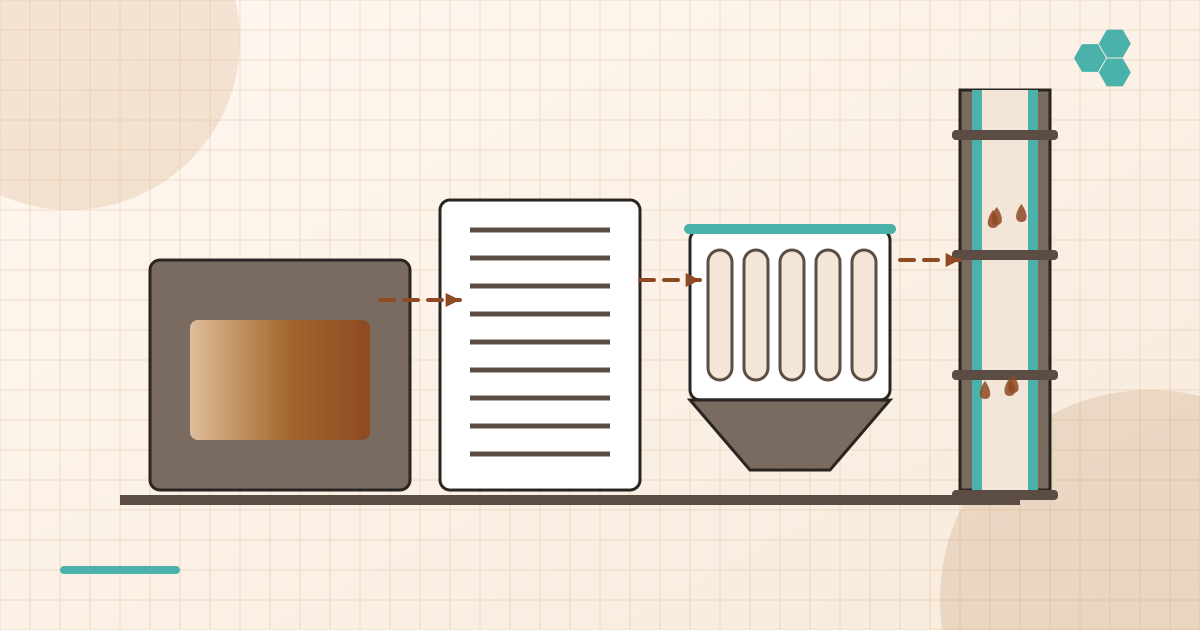
Waste-to-Energy Corrosion Protection: Key Points
- Waste-to-energy flue gas is variable: chlorine from plastics and salts, sulfur and high moisture create acid condensate and hygroscopic chloride deposits at cold spots.
- The most exposed carbon steel sits downstream of the boiler: hoppers, baghouse casings, scrubber and reactor shells, ducts, induced-draft (ID) fan housings and stacks, plus ash-handling wear zones.
- Polylloy matches grades by service limit, from CorrosionGard®-160S to 160 °C (320 °F) up to WearGard®-625S in abrasion zones to 625 °C (1,157 °F); for steel behind refractory, KilnGard-600SCW's bulletin lists industrial furnaces in waste incineration plants.
- Coatings do not replace refractory, insulation or good design; cold spots, air in-leakage and low-load operation still need engineering attention.
- SUEZ Taden Incinerator (France) is a proposed baghouse hopper application supported by a comparable sister-plant reference, not a completed result.
- Longer equipment life can reduce the need for replacement steel and the emissions from producing it; coatings do not directly reduce process emissions.
Protect waste-to-energy flue path steel by matching a coating to each zone's temperature, chemistry and wear. That means lower-temperature grades for hoppers and baghouses, stack and duct grades for the cleaned-gas path, higher-temperature grades upstream and wear grades where fly ash and reagents abrade, with steel behind refractory assessed unit by unit.
Waste-to-energy corrosion protection is the selection of coatings, linings, materials and design measures that keep carbon steel in a waste incineration plant's flue gas path safe from acid condensate, chloride attack and ash abrasion.
Protection is matched zone by zone, because a hopper wall, a hot duct and a refractory-lined incinerator shell fail in different ways. The sections below map each challenge to a grade, explain the corrosion mechanisms, and set out what engineering, procurement and construction (EPC) teams should specify.
Waste-to-Energy Corrosion Challenges Matched to Protection
Waste-to-energy corrosion challenges follow the gas as it cools from the furnace to the stack. The table pairs each challenge with the Polylloy grade suited to it and the non-coating measure that has to accompany it.
| Challenge | Equipment affected | Polylloy grade (service limit) | Also required |
|---|---|---|---|
| Chloride and acid condensate at cold spots | Hoppers, baghouse casings, duct low points | CorrosionGard-160S (160 °C) or FlueGard®-225SQC (225 °C) | Insulation, air-leak sealing |
| Acid dew point attack at low load | Cleaned-gas ducts, stacks | FlueGard-225SQC or StackGard®-255SQW (255 °C) | Gas temperature control |
| Hotter gas before gas cleaning | Boiler outlet ducts, transitions | FlueGard-425S (425 °C) or FlueGard-455CHT (455 °C) | Excursion monitoring |
| Fly ash, lime and carbon abrasion | Bends, hopper outlets, transfer points | WearGard-625S (625 °C) or FlueGard-455CHT | Velocity and flow review |
| Alkaline reagent plus acid gas | Reactor and scrubber shells | Confirmed per zone with Polylloy | Zone temperature and chemistry data |
| Shell attack behind refractory | Refractory-lined incinerator shells | KilnGard-600SCW (600 °C), confirmed per unit | Sound refractory lining |
| Condensate and deposits in fans | ID fan housings | StackGard-255SQW (255 °C) | Drainage, balanced operation |
| Fireside tube corrosion | Boiler tubes, water walls, superheaters | Outside the scope of these grades | Alloy selection or weld overlay |
The last row matters as much as the others. Boiler pressure parts need their own materials engineering, so a protection plan for the flue path should state clearly where coatings stop.
Why Waste-to-Energy Flue Gas is Harder on Steel Than Conventional Firing
Waste-to-energy flue gas is often harder on steel than coal or gas firing because the fuel is mixed and its chlorine content varies from load to load. Three mechanisms combine: shifting acid gas chemistry, condensation on cooler surfaces, and salt deposits that pull moisture out of the gas.
Variable Fuel, Variable Gas
Chlorine from polyvinyl chloride (PVC) plastics burns mainly to hydrogen chloride (HCl), while salts such as sodium chloride from food waste add alkali chlorides to deposits and fly ash. Sulfur forms sulfur dioxide and a smaller fraction of sulfur trioxide, which raises the acid dew point.
Wet waste adds a lot of moisture, so the gas carries both the acids and the water needed to condense them.
Condensation and Hygroscopic Deposits
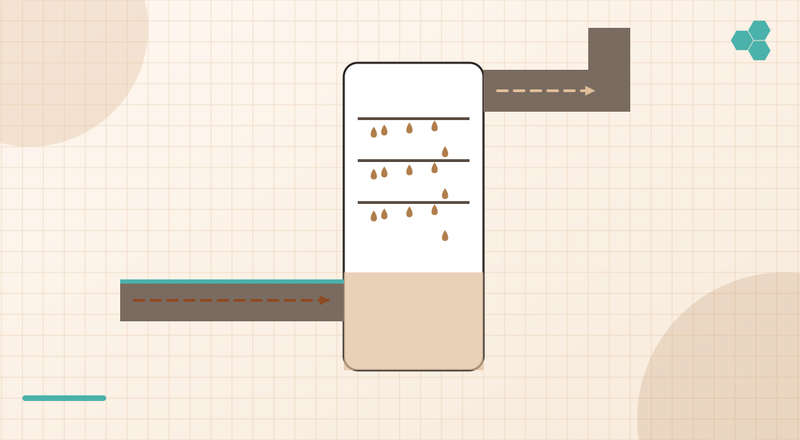
Lime-based gas cleaning converts HCl into calcium chloride, a deliquescent salt that absorbs enough moisture to dissolve into a corrosive chloride brine on cooler steel, even when the bulk gas is above its water dew point. Cold spots form at hopper walls, access doors, stiffeners, air in-leakage points and anywhere insulation is damaged.
Low-load operation and outages widen them, because deposits keep absorbing moisture while the plant is cold.
Why 316 Stainless is Not Automatically Safe
Upgrading to 316 stainless steel is a common reflex, but chlorides are the main agent that locally breaks down the passive film on austenitic stainless steel. Chloride-rich condensate drives pitting and crevice corrosion, and under tensile stress at elevated temperature it can cause chloride stress corrosion cracking.
Where Protection is Needed Along the Waste-to-Energy Flue Path
Protection along the waste-to-energy flue path is needed wherever carbon steel meets condensate, deposits or abrasive particulate. In practice, corrosion rarely starts in the middle of a casing panel; it starts at hopper valley angles, around doors and along stiffeners, where steel runs colder and deposits sit undisturbed.
Baghouse Hoppers and Casings
Baghouse hoppers are among the coldest and most deposit-prone steel in the plant, and condensation concentrates at hopper walls and outlets. CorrosionGard-160S or FlueGard-225SQC is selected by operating temperature, alongside insulation and hopper heating where fitted.
Scrubber and Reactor Shells
Semi-dry and dry reactor shells see alkaline reagent, acid gas and moisture together. FlueGard-455CHT has good resistance to acidic and alkaline condensates, which makes it a candidate, but Polylloy confirms the grade for each reactor zone from its temperature and chemistry.
Ducts, Transitions and the ID Fan
Cleaned-gas ducts and the ID fan housing suffer acid dew point condensation and deposit build-up, especially at transitions and low points where condensate drains.
StackGard-255SQW is designed for ducts and ID fans, and FlueGard-225SQC is an option for ducts and fan housings, as at a cement plant in France where it has protected a fan housing exposed to HF, HCl and high-velocity dust for about 24 months; see StackGard for stacks and ID fans for the grade.
Stacks and Chimney Liners
Steel stacks condense acid on the cooler upper section, where gas loses heat to ambient air, and during every start-up and shutdown. StackGard-255SQW is the grade designed for steel stacks and chimneys.
Refractory-Lined Furnace and Incinerator Shells
Flue gas and condensate migrate through refractory joints and cracks and attack the steel shell behind the lining, out of sight. KilnGard®-600SCW is confirmed for cement and lime kiln shells to 600 °C, and its bulletin also lists industrial furnaces in waste incineration plants; shell temperature and chemistry are still reviewed with Polylloy for the specific unit.
Water-wall boiler furnaces are a different construction and outside the scope of these grades.
Ash Handling Wear Zones
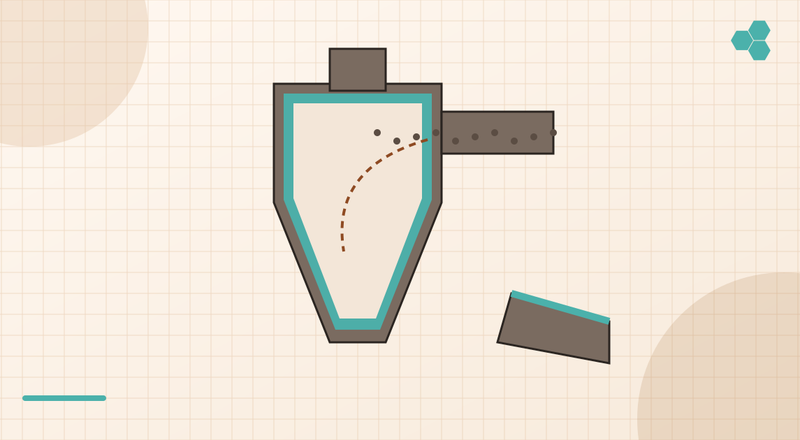
Chutes, hoppers, conveyor transfer points and cyclones are abraded by fly ash, spent reagent and residues, and abrasion strips any coating not designed for impingement. WearGard-625S covers these particulate impingement zones.
How Polylloy Matches Grades to Waste-to-Energy Service
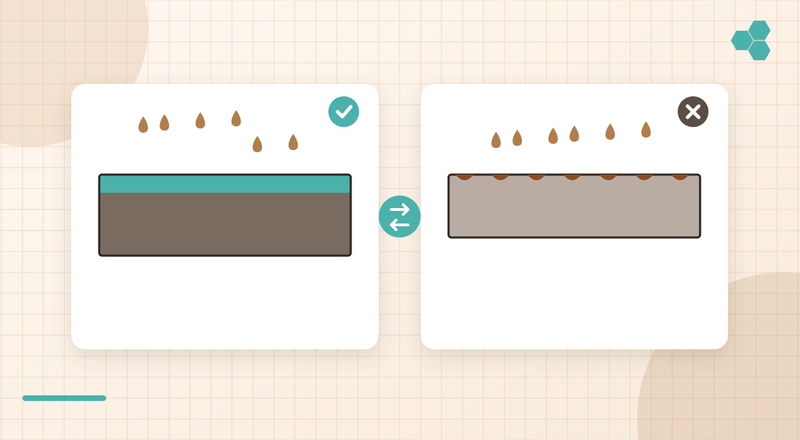
Polylloy matches grades to waste-to-energy service on continuous temperature and process excursions first, then on gas chemistry and abrasion. Polylloy's hybrid alloy-inorganic-organic chemistry is fundamentally different from glass-filled epoxy, novolac and phenolic coatings. Polylloy laboratory and field testing comparing FlueGard with conventional high-temperature coatings observed undercutting corrosion and delamination in the conventional coatings.
Selection by Service Limit
Each grade carries its own confirmed service limit, which is the first filter for any zone:
- CorrosionGard-160S: 160 °C (320 °F), ambient-cure; structural steel, tanks and vessels
- FlueGard-225SQC: 225 °C (437 °F); baghouses, ducts, stacks and FGD equipment
- StackGard-255SQW: 255 °C (491 °F); steel stacks, chimneys, ducts and ID fans
- FlueGard-425S: 425 °C (797 °F) with spikes to 500 °C (932 °F); hotter duct sections
- FlueGard-455CHT: 455 °C (850 °F); combined corrosion and abrasion, acidic and alkaline condensates
- KilnGard-600SCW: 600 °C (1,112 °F); beneath refractory on cement and lime kiln shells, with industrial furnaces in waste incineration plants also listed in its bulletin
- WearGard-625S: 625 °C (1,157 °F); cyclones, chutes, hoppers and transfer points
The full flue gas family is described on the FlueGard flue gas coatings page.
Honest Limits
Boiler tubes and superheaters are outside the scope of these grades. A coating does not replace refractory, insulation or the sealing of air leaks, and surface preparation is critical to every grade. For heat-cured grades, final heat cured activation is completed during start-up using process heat; CorrosionGard-160S is ambient-cure.
Delivery Through Certified Partners
Certified partners apply Polylloy coatings during planned outages, while Polylloy formulates, supplies, specifies and supervises.
A Proposed Application: Baghouse Hopper Protection at SUEZ Taden
Polylloy has proposed baghouse hopper protection at the SUEZ Taden Incinerator in France, supported by a comparable sister-plant reference. It is a proposed application, not a completed performance result, and no service outcome is claimed for it here.
The proposal illustrates the zone-by-zone logic of this page. Hoppers sit at the cold end of the baghouse, collect hygroscopic residues and see condensation during low load and outages, so they are often a first priority for protection.
What Waste-to-Energy Protection Means for EPC and Project Engineers
For EPC teams, original equipment manufacturers (OEMs) and project engineers, waste-to-energy corrosion protection is a specification decision made zone by zone, not a single material choice for the whole flue path.
Specification Decisions
Each zone can be built from protected carbon steel, 316 or a higher alloy, or another lining system, judged against its actual temperature and chemistry. Protected carbon steel may offer a cost-effective alternative to stainless steel where the coating is suitable for the specified service conditions.
Where chlorides, temperature or abrasion exceed a coating's limits, a higher alloy or a different design is the right answer.
Outcomes for the Project Engineer
A specified coating gives the project engineer a documented basis for acceptance: grade datasheets that name their test methods and a supplier quality system with ISO 9001:2015 registration and an independent third-party design and manufacturing verification by Fuller, Jones & Associates.
Specifying protection at the design stage can also avoid retrofit coating work in an early outage, provided it is coordinated with refractory, insulation and access design.
Equipment Life, Alternative Fuels and Replacement Steel
Equipment life is where corrosion protection contributes to decarbonization in waste-to-energy and other alternative-fuel plants. Preserving existing ducts, hoppers and stacks can reduce the need for replacement steel and the emissions associated with its production. Coatings do not directly reduce process emissions, which are set by the fuel, the combustion and the gas cleaning system.
How to Plan Corrosion Protection for a Waste-to-Energy Plant
Planning corrosion protection for a waste-to-energy plant starts with data, not with a product. Gather the following before asking any supplier for a recommendation:
- Flue path temperatures at normal load, low load and start-up, zone by zone
- Gas analysis covering HCl, sulfur dioxide and moisture
- Cold spots identified by thermography and inspection
- Abrasion zones, inspection history and previous coating failures
- Outage windows and access constraints
With that in hand, request a coating evaluation, sharing equipment type, coated area, operating conditions, location and timing.
FAQs
What Causes Corrosion in Waste-to-Energy Flue Gas Equipment?
Mainly acid condensate and chloride salts: burning mixed waste releases hydrogen chloride, sulfur oxides and a lot of moisture. Where steel runs below the acid dew point, or where hygroscopic chloride deposits collect on cooler surfaces, corrosive liquid forms on the steel. Cold spots, air leaks and low-load operation make it worse.
Can a Coating Protect Waste-to-Energy Boiler Tubes?
Boiler tubes and superheaters are outside the scope of Polylloy's grades, which protect flue path steel, refractory-backed shells and abrasion zones. Fireside tube corrosion is usually handled with other methods, such as alloy selection or weld overlay. Ask Polylloy about the steel equipment downstream of the boiler and behind refractory.
Is 316 Stainless Steel Suitable for Waste-to-Energy Ducts?
Not automatically. Chloride-rich condensate can cause pitting and stress corrosion cracking in austenitic stainless steel, so 316 should be checked against the actual chemistry and temperature. Protected carbon steel may offer a cost-effective alternative to stainless steel where the coating is suitable for the specified service conditions.
What Temperatures Can Polylloy Coatings Handle in a Waste-to-Energy Plant?
Grades are matched by service limit: CorrosionGard-160S to 160 °C, FlueGard-225SQC to 225 °C, StackGard-255SQW to 255 °C, FlueGard-425S to 425 °C with spikes to 500 °C, FlueGard-455CHT to 455 °C, KilnGard-600SCW to 600 °C (beneath refractory, including waste incineration furnaces), and WearGard-625S to 625 °C in abrasion zones.
Has Polylloy Worked on a Waste-to-Energy Plant?
Polylloy's published waste-to-energy example is a proposed baghouse hopper application at the SUEZ Taden Incinerator in France, supported by a comparable sister-plant reference. It is a proposed application, not a completed performance result. For other references in comparable service, Polylloy's technical team provides detail for the project under review.
Who Applies Coatings in a Waste-to-Energy Plant?
Polylloy's certified partners apply the coatings during planned outages. Polylloy formulates and supplies the material, specifies the system for each zone and supervises the application, with inspection hold points agreed before the outage. Heat-cured grades complete final activation during start-up using process heat; CorrosionGard-160S is ambient-cure.

Surjit Gill
Co-founder, Polylloy Coatings
Surjit Gill is co-founder of Polylloy Coatings, which develops innovative hybrid coatings to protect industrial equipment against high-temperature corrosion, chemical attack, and abrasion in severe-service applications worldwide. Trained in chemical engineering and business management, he brings leadership experience spanning startup incubation and business growth. He focuses on commercializing materials innovation, scaling organizations, and advancing go-to-market strategy through global partnerships.
Related Signals