Flue Gas Desulfurization (FGD) Corrosion Protection
 Surjit GillLast Updated: Oct 6, 2026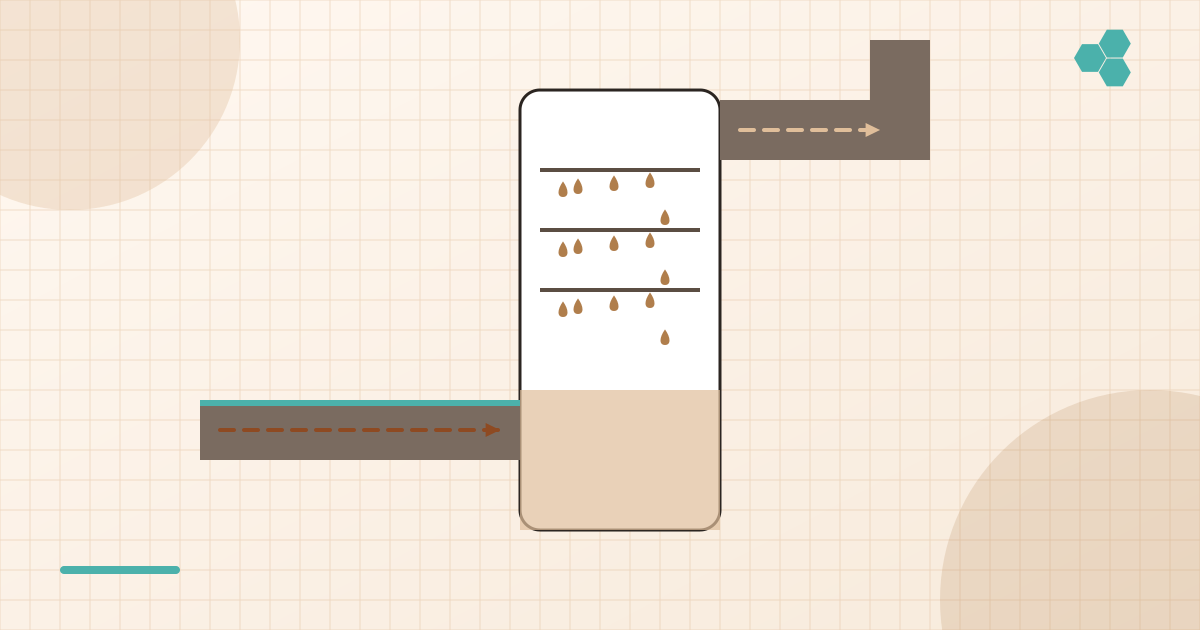
FGD Corrosion Protection: Key Points
- FGD corrosion is zone-specific: the wet-dry interface at the inlet, the absorber, outlet ducts, wet stacks and idle bypass ducts each fail differently.
- The drivers are acid condensate (sulfuric, hydrochloric, hydrofluoric), chlorides concentrating in slurry and deposits, low pH under deposits, slurry abrasion and thermal cycling.
- Match protection to each zone by temperature first, then chemistry and abrasion; one material rarely suits the whole system.
- FlueGard®-225SQC (225 °C / 437 °F) is listed for FGD service; FlueGard-425S (425 °C with spikes to 500 °C) and FlueGard-455CHT (455 °C / 850 °F) cover ducts that run hotter.
- Rubber, glass-flake vinyl ester and nickel alloys remain established choices for continuously wetted, high-chloride absorber zones; confirm any coating's suitability for immersion with the supplier.
- Partners apply Polylloy coatings under Polylloy supervision; inspect the wet-dry interface and outlet duct every outage.
For flue gas desulfurization (FGD) scrubber internals, protect each zone separately: hot inlet ducts and the wet-dry interface need temperature-rated, acid-resistant protection, while outlet ducts and wet stacks face saturated acid condensate. FGD corrosion protection is the selection of coatings, linings or alloys for each zone of a flue gas desulfurization system, so that steel resists acid condensate, chlorides, slurry abrasion and thermal cycling.
FlueGard-225SQC (225 °C / 437 °F) is listed for FGD service, while continuously wetted, high-chloride immersion zones usually stay with rubber, flake linings or nickel alloys. The choice in every zone depends on temperature, wet or dry operation and chloride level.
FGD Corrosion Challenges and How Each is Addressed
FGD corrosion challenges map to zones, and each zone calls for its own protection. Temperatures below are described by regime; take actual design values from the plant.
| Zone | Corrosion driver | Temperature regime | Protection options | Polylloy grade fit | Inspection focus |
|---|---|---|---|---|---|
| Hot inlet duct | Condensate at cold spots, ash abrasion | Hot, unsaturated | Temperature-rated coating, alloy | FlueGard-225SQC; higher grades if hotter | Duct floors, expansion joints |
| Inlet wet-dry interface | Wet-dry cycling, concentrated acids and chlorides | Hot to saturated | Alloy cladding, robust lining | Confirm with Polylloy | Deposits, lining edges |
| Absorber shell and spray zone | Chloride slurry immersion, abrasion | Saturated | Rubber, flake lining, nickel alloy | Not the default; confirm | Holidays, slurry wear |
| Mist eliminator and outlet transition | Acid carryover, deposits | Saturated | Flake lining, alloy | Confirm with Polylloy | Deposit build-up, seams |
| Outlet duct and wet stack | Saturated condensate, chloride carryover | Saturated | Flake lining, FRP, borosilicate block | Confirm with Polylloy | Low points, flanges |
| Bypass duct and dampers | Idle cooling with acid deposits | Cycles hot to ambient | Temperature-rated coating | FlueGard-225SQC or FlueGard-425S | Damper seals, duct floors |
| Structural steel and tanks | Splash, fumes, atmospheric corrosion | Ambient to moderate | Ambient-cure coatings | CorrosionGard®-160S | Coating breakdown, edges |
The table is deliberately explicit where a Polylloy grade is not the default. Continuous high-chloride slurry immersion inside a wet absorber is traditionally lined with rubber or flake systems or clad in alloy, and any coating proposed there needs written confirmation of immersion suitability.
How FGD Systems Create Corrosive Conditions for Steel
FGD systems create corrosive conditions because they deliberately cool, wet and chemically scrub hot flue gas, and steel sits in every transition. The severity depends on the process type and the fuel.
Wet, Semi-Dry and Dry FGD Differ
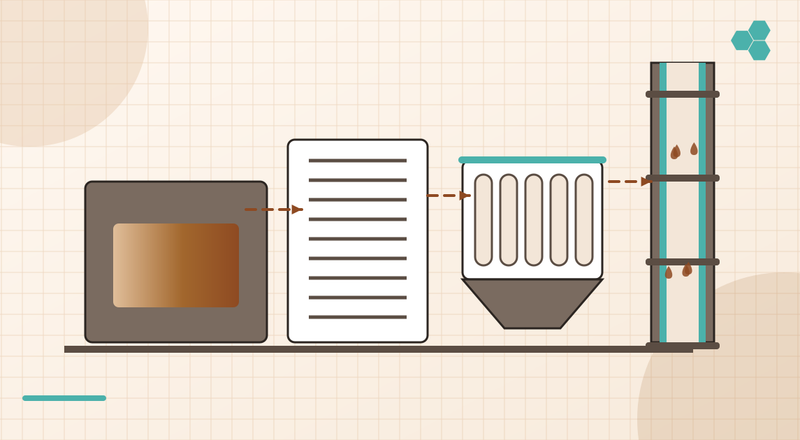
Wet limestone-gypsum absorbers saturate the gas and create continuously wetted zones. Spray dry absorbers (SDAs) and dry sorbent injection, common in waste-to-energy plants, keep the gas above saturation in normal running but still cross the dew point at start-up, low load and cold spots. Power and waste-to-energy plants are the core users, and waste fuels raise hydrogen chloride (HCl) and chloride loading.
Acid Condensate, Chlorides and Under-Deposit Attack
Sulfur trioxide and HCl condense below their dew points as sulfuric and hydrochloric acid. Chlorides concentrate in recirculated slurry and in deposits, and the pH under a deposit can fall far below the bulk slurry pH. Fluorides add chemical load, while gypsum slurry adds abrasion.
Chloride is also why 316 stainless is not a default answer. Its passive film can break down under acidic, chloride-rich deposits, causing pitting and crevice corrosion.
The Wet-Dry Interface is Usually the Worst Zone
The wet-dry interface is where hot gas meets quench or absorber sprays. Repeated wetting and drying concentrates acids and salts on the steel, and the boundary sees thermal shock every time the spray pattern or load changes. Bypass ducts suffer a related problem: when idle, they cool through the dew point with acid deposits still in place.
Where FlueGard and Other Polylloy Grades Fit in an FGD System
FlueGard and other Polylloy grades fit an FGD system where their service limits and listed applications match the zone. Polylloy's hybrid chemistry is engineered for hot, corrosive flue gas, so its natural territory is the gas side: ducts, transitions and bypasses, plus dry stacks. Product data are on the FlueGard coating systems page.
Matching Grades by Service Limit
Each Polylloy grade is matched to an FGD zone by service limit:
- FlueGard-225SQC: listed for FGD; ducts, stacks and gas-side surfaces to 225 °C (437 °F), which covers many FGD inlet gas conditions.
- FlueGard-425S: single-component inorganic polymeric coating for corrosive flue gas ducts to 425 °C (797 °F), with peaks up to 500 °C (932 °F), where gas runs hotter than 225 °C.
- FlueGard-455CHT: two-component ceramic corrosion and abrasion coating for hot, ash-laden ducts to 455 °C (850 °F), with good resistance to acidic and alkaline condensates and over 1,000 psi (7 MPa) adhesion on sandblasted carbon steel (Elcometer, per the FlueGard-455CHT data sheet). On new ductwork at a cement plant in Switzerland running 220–240 °C with about 50 shutdowns a year, inspected areas showed no visible widespread delamination after about 17 months.
- StackGard®-255SQW: steel stacks, chimneys, ducts and fans to 255 °C (491 °F).
- CorrosionGard-160S: ambient-cure coating for structural steel, tanks and vessels to 160 °C (320 °F).
Honest Limits Inside the Absorber
Continuously wetted, high-chloride absorber zones are traditionally rubber-lined, flake-lined or alloy-clad. FlueGard-225SQC is listed for FGD scrubbers and rated for immersion, but its fit for chloride slurry immersion, saturated outlet ducts or wet stacks should be confirmed by Polylloy for the specific conditions, and grades such as FlueGard-425S and StackGard-255SQW are not immersion grades.
Surface preparation is critical in every zone; FlueGard-455CHT, for example, specifies an SSPC-SP10 near-white blast with a profile above 3 mil.
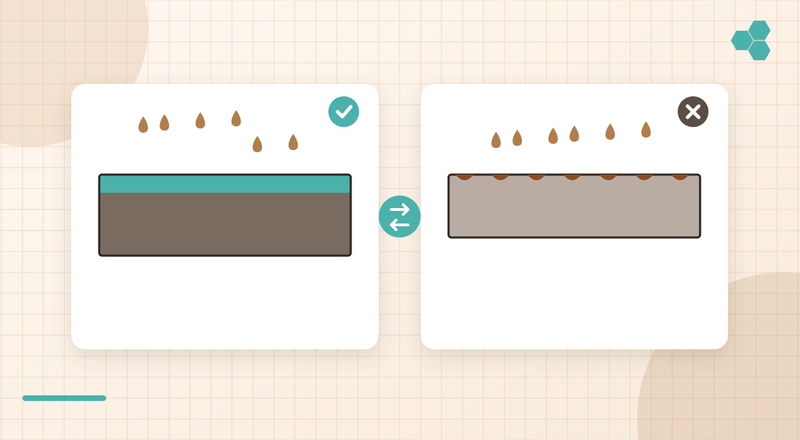
Heat-cured grades need start-up heat: final heat cured activation is completed during start-up using process heat, while CorrosionGard-160S cures at ambient conditions. Polylloy laboratory and field testing observed undercutting corrosion and delamination in conventional high-temperature coatings, a failure mode that matters most at hot inlet and bypass zones where cycling is severe.
Other FGD Protection Options and When They Are the Right Answer
Other FGD protection options remain the right answer in several zones, and a sound material schedule uses them where they fit.
Linings and Alloys Compared by Chemistry
Rubber linings are established in absorber slurry service, where their resilience handles abrasion, but upset temperatures must be checked against the lining's rating. Glass-flake vinyl ester is widely used in absorbers, ducts and stacks and cures at ambient conditions.
Nickel alloy cladding or solid alloy is used where chloride levels and wet-dry cycling are severe, and high material cost is a selection factor. Fiber-reinforced plastic (FRP) and borosilicate glass block are common in wet stacks and outlet ducts.
316 Stainless as the Benchmark
Polylloy's primary benchmark is 316 stainless steel. Protected carbon steel may offer a cost-effective alternative to stainless steel where the coating is suitable for the specified service conditions.
How EPC and OEM Engineers Specify FGD Protection
Engineering, procurement and construction (EPC) contractors and original equipment manufacturer (OEM) engineers specify FGD protection zone by zone, starting from process inputs. Each zone needs design, minimum and excursion gas temperatures; wet, semi-dry or dry operation; chloride and fluoride levels; slurry solids and velocity; and how often the bypass runs.
The specification should set surface preparation, film build and holiday testing requirements, plus partner qualification. With Polylloy coatings, certified partners apply and Polylloy formulates, supplies, specifies and supervises. Outage planning covers access, blast containment, and whether start-up provides process heat for heat-cured grades.
The outcome for the project engineer is a zone-by-zone material schedule the owner's corrosion specialist can accept, with protected carbon steel evaluated against 316 and alloy on the same scope and evaluation period. Cost factors include product selection, area and thickness, surface preparation and access, labor, inspection, curing, freight and shutdown timing.
How to Inspect and Maintain FGD Coatings
FGD coatings are inspected every outage, with priority on the wet-dry interface, outlet transition, duct floors where condensate pools, flanges, stiffeners, dampers and bypass ducts. Methods are visual inspection, holiday or spark testing, dry film thickness and adhesion checks, and ultrasonic thickness readings of the substrate where corrosion is suspected.
Record findings by zone so repairs and material changes can be planned for the next outage. Polylloy provides inspection and maintenance support, and spot repairs are carried out by certified partners under Polylloy guidance.
Choosing FGD Protection Zone by Zone
Choosing FGD protection zone by zone means mapping the zones, recording temperatures and chemistry, then selecting for each; expect a mix of coatings, linings and alloys. Use Polylloy grades where their service limits and listed applications fit, and keep established linings or alloys where immersion and chloride severity demand them.
To build a material schedule for your system, request a coating evaluation with the equipment type, coated area, operating conditions, location and timing.
FAQs
What Coating is Used for FGD Scrubber Internals?
FGD scrubber internals are protected zone by zone. Continuously wetted, high-chloride absorber zones commonly use rubber, glass-flake vinyl ester or nickel alloy cladding. Gas-side ducts and inlet sections can use temperature-rated coatings such as FlueGard-225SQC, listed for FGD service to 225 °C (437 °F), with FlueGard-425S or FlueGard-455CHT where ducts run hotter.
Why Does the FGD Inlet Wet-Dry Interface Corrode So Fast?
Hot flue gas meets quench or slurry sprays at the inlet, so surfaces repeatedly wet and dry. Each cycle concentrates sulfuric and hydrochloric acid and chloride salts on the steel, while temperature swings stress any coating or lining. Deposits trap acid and lower local pH, so this zone needs the most robust protection and closest inspection.
Can Coated Carbon Steel Replace Alloy in an FGD System?
In some zones. Protected carbon steel may offer a cost-effective alternative to stainless steel where the coating is suitable for the specified service conditions, and gas-side ducts and stacks are typical candidates. Severe wet-dry and high-chloride immersion zones often still justify alloy or established linings, so evaluate each zone separately.
Does 316 Stainless Steel Resist FGD Corrosion?
Not reliably in every zone. 316 stainless relies on a passive film that chlorides can break down, so acidic, chloride-rich condensate and deposits can cause pitting and crevice corrosion. Higher-alloy grades or nickel alloys are often chosen for severe FGD zones, and Polylloy compares protected carbon steel against 316 on the same conditions.
How Hot Can FGD Inlet Duct Coatings Run?
Polylloy service limits are FlueGard-225SQC to 225 °C (437 °F), FlueGard-425S to 425 °C (797 °F) with peaks up to 500 °C (932 °F), and FlueGard-455CHT to 455 °C (850 °F). Choose by the maximum excursion temperature, not only normal operation, and confirm chemistry and abrasion with Polylloy's technical team before specifying.
Who Applies Polylloy Coatings in an FGD Outage?
Certified Polylloy partners apply the coatings, while Polylloy formulates, supplies, specifies and supervises. The partner handles surface preparation, application and quality checks; Polylloy sets the specification and supports inspection. For heat-cured grades, final heat cured activation is completed during start-up using process heat, so it belongs in the start-up plan.

Surjit Gill
Co-founder, Polylloy Coatings
Surjit Gill is co-founder of Polylloy Coatings, which develops innovative hybrid coatings to protect industrial equipment against high-temperature corrosion, chemical attack, and abrasion in severe-service applications worldwide. Trained in chemical engineering and business management, he brings leadership experience spanning startup incubation and business growth. He focuses on commercializing materials innovation, scaling organizations, and advancing go-to-market strategy through global partnerships.
Related Signals